Starting Solids
Introducing your baby to solid foods is an exciting milestone in their growth journey. It’s a big step from the milk-only diet they’ve been used to, and it helps lay the foundation for a healthy eating habit. In this guide, we’ll cover everything you need to know about starting solids, from when to begin to how to introduce new foods safely.
When to Start Solids
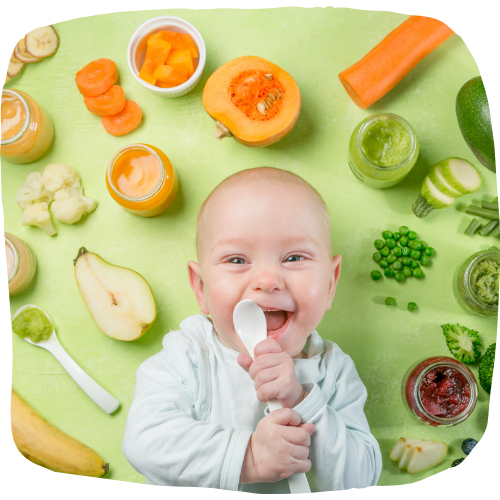
Most babies are ready to start solid foods around 4-6 months old. However, it’s essential to look for signs that your little one is prepared. Some key signs of readiness include:
- Sitting up with minimal support.
- Showing interest in what you’re eating.
- Losing the tongue-thrust reflex (pushing food out with their tongue).
- Opening their mouth when food is offered.
If your baby shows these signs, it might be time to start introducing solids. Always consult your pediatrician before making any significant changes to your baby’s diet.
How to Introduce Solids
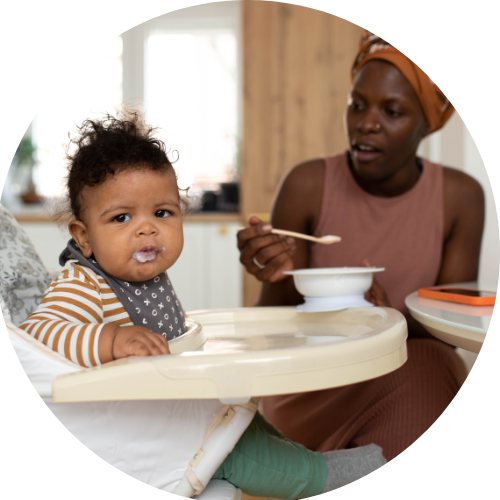
Creating a calm, relaxed feeding environment is crucial when starting solids. Begin by offering small spoonfuls once or twice a day. Start with just one or two teaspoons of food, gradually increasing the amount as your baby becomes more comfortable eating.
There are two primary approaches to introducing solids:
- Spoon-feeding: You feed your baby purees using a spoon, controlling the pace and the portions.
- Baby-led weaning: You offer soft, finger-sized pieces of food and allow your baby to explore and feed themselves. This method encourages independent eating and helps babies get familiar with different textures. (More on this later).
Whether you choose spoon-feeding, baby-led weaning, or a combination of both, patience is key. Allow your baby to explore new flavors and textures at their own pace.
First Foods to Introduce
For most babies, iron-rich foods are ideal for starting solids. Iron-fortified cereals mixed with breast milk or formula are great options, but remember to never put cereal in a baby bottle in order to prevent SIDS. You can also introduce pureed vegetables like sweet potatoes or carrots and fruits such as apples or pears. Remember to start with single-ingredient foods to monitor for any allergic reactions.
Recommended First Foods:
- Iron-fortified rice or oatmeal cereal.
- Pureed vegetables like squash, peas, and green beans.
- Pureed fruits like bananas, pears, and apples.
Introduce one new food every 3-5 days so you can easily identify if your baby has a reaction to a specific food.
If you find that your baby is struggling with chronic constipation, you may want to lose the iron completely. This is a tall-tale sign that their digestive system is still sensitive to solids and can’t process the iron as well just yet. If they’re 4-6 months, you can either take a break from solids completely, or opt to try an iron-free diet. Children 6 months and older may be put on a infant-friendly laxative to help ease into solids without the pain of constipation, but it’s important to monitor what foods you offer and try to stick to a ‘P’ food diet until the constipation clears.
What is the ‘P’ Food Diet?
A “P food diet” can be especially helpful for constipated babies, as many foods that start with the letter “P” are known for their natural fiber content, which promotes healthy digestion and can help relieve constipation. When babies experience constipation, offering these fiber-rich foods can encourage softer stools and easier bowel movements.
Here’s how a “P food diet” can benefit constipated babies:
Pears
- Pears are rich in dietary fiber, particularly pectin, which helps soften stools and regulate bowel movements. Pureed pears are gentle on a baby’s digestive system and can be an excellent remedy for constipation.
Prunes
- Prunes (dried plums) are well-known for their natural laxative properties. They contain both soluble and insoluble fiber, as well as sorbitol, which helps draw water into the intestines, softening stools and making them easier to pass. Pureed prunes can be introduced to babies as a natural remedy for constipation.
Peaches
- Like pears, peaches are high in fiber and water, making them helpful in alleviating constipation. Soft, pureed peaches can be easily incorporated into a baby’s diet to help promote regular bowel movements.
Plums
- Fresh plums are another fiber-rich option that can be offered to babies. They contain both fiber and sorbitol, like prunes, which can help soften stools and ease constipation.
Peas
- Peas are high in fiber and contain essential nutrients like vitamins A, C, and K. Their fiber content supports healthy digestion and helps regulate bowel movements. You can offer pureed peas as part of your baby’s diet to relieve constipation.
Pumpkin
- Pumpkin is loaded with fiber and water, making it a gentle yet effective food for helping babies with constipation. Pureed pumpkin is easy to digest and can help soften stools.
How to Implement the “P Food Diet” for Constipated Babies:
- Introduce one food at a time: Start with small portions of pureed pears, prunes, peaches, peas, or pumpkin, and monitor your baby’s reaction.
- Stay hydrated: In addition to offering fiber-rich foods, ensure your baby is getting enough fluids, as water helps the fiber work effectively in softening stools.
- Be mindful of balance: While “P foods” are helpful, avoid overloading your baby’s diet with too much fiber all at once, as it could cause gas or discomfort. Balance the diet with other fruits, vegetables, and appropriate liquids, like breast milk or formula.
By including these “P foods” in your baby’s diet, you can help naturally relieve constipation, encourage healthy digestion, and promote regular bowel movements in a gentle and nutritious way.
Allergy Awareness
Introducing potential allergens can be a nerve-wracking experience, but research shows that introducing common allergens like peanuts and eggs early may actually help reduce the risk of food allergies. Here’s how to introduce allergens safely:
- Start with a small amount, and wait a few days before introducing another allergen.
- Watch for signs of an allergic reaction, such as hives, vomiting, or difficulty breathing.
If your baby has a family history of allergies, consult your pediatrician for guidance on the best way to introduce these foods.
Common Allergens to Watch For:
- Peanuts
- Eggs
- Dairy
- Wheat
- Shellfish
If you’re unsure whether your baby’s reaction is due to a food or something else, consider that it could be caused by environmental factors.
Possible Non-Food Allergens
- Laundry Detergents: Harsh chemicals or fragrances in laundry detergents can irritate your baby’s sensitive skin.
- Air Fresheners: Airborne irritants from sprays or plug-ins can cause respiratory or skin reactions.
- Bath Soaps and Lotions: Some soaps and lotions contain dyes or fragrances that may trigger skin sensitivities.
- Cleaning Products: The chemicals used in household cleaning can sometimes irritate a baby’s skin or lungs.
If you’ve recently changed any of these products or added something new to your environment, it may be worth exploring if that’s the source of the reaction.
When to Consider an Allergy Test
If you’ve tried eliminating potential allergens from both food and environmental sources but are still unable to identify the cause, consult with your pediatrician. They may recommend an allergy test to help pinpoint specific triggers and guide you on which foods or substances to avoid.
By being aware of both food and environmental allergens, you can take steps to identify potential sensitivities and ensure your baby stays happy and healthy while starting solids. Always monitor for reactions, and don’t hesitate to reach out to a healthcare professional for further guidance.
Texture Progression
As your baby becomes more comfortable with solids, it’s essential to introduce a variety of textures to help develop their chewing skills. Start with smooth purees, and gradually move to chunkier purees and soft, mashed foods. Eventually, you can introduce finger foods as your baby’s oral skills improve.
Texture Progression:
- Stage 1 (4-6 months): Smooth purees like pureed carrots or bananas.
- Stage 2 (6-8 months): Thicker purees or mashed foods like oatmeal or mashed avocado.
- Stage 3 (8-12 months): Soft finger foods like small pieces of steamed vegetables or fruits.
Offering a range of textures will help your baby become more familiar with different foods and make the transition to table foods easier.
Baby-Led Weaning
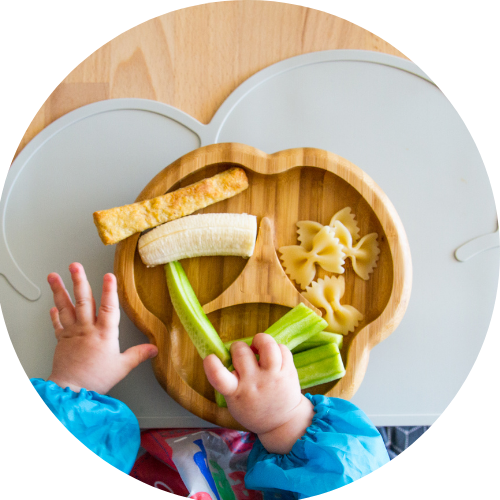
Baby-led weaning (BLW) is a feeding approach where you offer soft, finger-sized pieces of food and allow your baby to explore and feed themselves. Rather than relying on spoon-feeding purees, your baby is given whole foods that are easy to grasp, encouraging them to self-feed at their own pace. This method focuses on allowing babies to take control of what, how much, and how quickly they eat.
You can typically start baby-led weaning (BLW) around 6 months of age, when your baby shows signs of readiness for solid foods. At this stage, babies usually have the developmental skills needed to safely explore and handle food on their own. Some parents start off with purees at 4 months and move into BLW soon after 6 months.
Here’s a more detailed look at what baby-led weaning involves and its benefits:
How It Works:
Instead of starting with spoon-fed purees, with baby-led weaning, you introduce foods in their natural form—typically soft and easy-to-hold pieces, like steamed vegetables, ripe fruits, or small, soft portions of meats or grains. You let your baby grasp these foods with their hands and explore the textures, shapes, and flavors.
Your baby decides how much they want to eat and when to stop. There’s no pressure to finish a certain portion or timeline; the focus is on allowing them to explore food independently. This method helps your baby:
- Develop fine motor skills by picking up and holding food.
- Improve hand-eye coordination as they bring food to their mouth.
- Practice chewing and moving food around in their mouth before swallowing.
Benefits of Baby-Led Weaning:
- Promotes Independence Baby-led weaning allows babies to take charge of their eating experience. Since they’re in control, it fosters a sense of independence early on. Babies learn to listen to their hunger cues, which helps them self-regulate their intake and develop healthy eating habits over time.
- Exploration of Textures and Flavors Offering a variety of foods in their whole form exposes babies to different textures, shapes, and flavors from the start. Instead of the smooth consistency of purees, they experience a range of sensations that help develop their chewing and oral motor skills. They’ll encounter everything from soft fruits and vegetables to more textured foods like shredded chicken or small pieces of cooked pasta.
- Improved Chewing and Oral Development By learning to chew and manipulate food in their mouth, babies can develop stronger jaw muscles and better oral coordination. This skill helps prepare them for the transition to more complex foods and solid meals later on.
- Family Mealtime Integration Baby-led weaning can make family meals more enjoyable because your baby can eat what the rest of the family is having (with a few modifications for safety). You won’t need to prepare separate purees or feed them at a different time. Babies can sit with the family, share the same foods, and learn about mealtime routines and social interactions early on.
- Reduced Picky Eating Since baby-led weaning introduces a wide variety of foods early, it may help reduce picky eating habits later in life. Babies become familiar with different tastes and textures, making them more open to trying new foods as they grow.
Safety Considerations:
While baby-led weaning has many benefits, it’s important to keep safety in mind:
- Start with soft, easily mashable foods: Ensure foods are soft enough that they can be squashed between your fingers (e.g., ripe bananas, steamed carrots, or avocado slices).
- Cut foods into appropriate sizes: Aim for finger-sized pieces that are easy for your baby to grasp and gnaw on.
- Avoid choking hazards: Stay away from small, hard foods like nuts, whole grapes, or raw vegetables. Cut foods into larger, manageable pieces that babies can’t swallow whole.
Supervision is essential when your baby is feeding themselves. Always keep an eye on them to ensure they’re chewing properly and not putting themselves at risk for choking.
Tips for Success:
- Offer a variety of foods: Give your baby different foods each day, ensuring they’re exposed to a broad range of tastes and textures. Try soft fruits, steamed vegetables, or shredded proteins like chicken or beef.
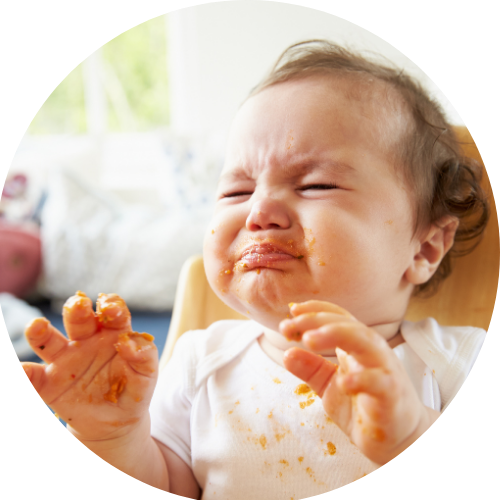
- Let them make a mess: Baby-led weaning can be messy, but it’s all part of the process. Let your baby explore food with their hands, smear it around, and experiment with how they handle it.
- Stay patient: It can take time for babies to get the hang of feeding themselves, and that’s okay. They may not eat much at first, but every little bit of food exploration is progress.
- Avoid Silicone: Some say silicone plate ware can taste soapy after dishwashing and deter new eaters. Use plastics or wood if you can, while keeping silicone for suction only.
Baby-led weaning can be an exciting and empowering approach to starting solids, allowing your baby to develop independence and enjoy a positive relationship with food right from the beginning.
Meal Ideas and Recipes
Here are some simple and nutritious meal ideas for starting solids:
- Pureed Sweet Potatoes: Steam sweet potatoes and blend with a little water or breast milk to reach a smooth consistency.
- Mashed Avocado: Mash a ripe avocado for a creamy, nutrient-packed meal.
- Apple Puree: Steam peeled apple slices, then blend until smooth for a sweet and healthy first food.
- Steamed Sweet Potato Sticks: Peel and cut a sweet potato into finger-sized sticks. Steam until soft enough to mash between your fingers (about 8-10 minutes). Let cool before serving.
- Mashed Avocado: Cut a ripe avocado in half and scoop out the flesh. Mash with a fork until creamy, or offer in strips for self-feeding.
- Banana Pancakes: Mash 1 ripe banana and mix with 1 egg. Cook small pancakes on a non-stick pan over low heat until golden. Let cool before serving.
Batch cooking and freezing small portions in ice cube trays can make mealtimes easier, especially on busy days. You can also make healthy popsicles for your baby to suck on and chew that are designed for solid-starting babies, like the haakaa Baby Fruit Food Feeder.
Safety Tips
Safety should always be a top priority when introducing solids. Here are some essential safety tips:
- Always feed your baby while they’re sitting upright in a high chair.
- Avoid foods that pose a choking hazard, such as whole grapes, peanuts, popcorn, or hard chunks of food.
- Ensure food is at an appropriate temperature before feeding it to your baby.
By following these safety guidelines, you can help prevent accidents and make mealtimes more enjoyable for both you and your baby.
Hydration
Once your baby starts eating solid foods, you can begin offering small amounts of water with meals. Around 6 months is a good time to introduce a sippy cup. Water helps with digestion and keeps your baby hydrated as they transition from an all-liquid diet. Don’t introduce cow’s milk until 12 months, and try to avoid fruit juice for as long as possible. Water is your best friend.
Handling Rejections and Picky Eaters
It’s normal for babies to reject new foods, so don’t be discouraged if your little one refuses to eat something. Babies often need to try new foods several times before accepting them. Offer a variety of flavors and textures, and make mealtime a positive, stress-free experience.
Tips for Picky Eaters:
- Offer rejected foods again after a few days.
- Try different ways of preparing the same food (e.g., roasted vs. steamed).
- Avoid pressuring your baby to eat; let them explore food at their own pace.
Consistency and patience are key to encouraging your baby to try new foods and develop healthy eating habits.
Dealing with Food Anxiety as a Parent
As a parent of a 6-12 month old, it’s natural to experience some anxiety around introducing solid foods. You might find yourself wondering if your baby is eating enough or if they’re progressing “normally.” It’s important to remember that during this stage, breast milk or formula is still your baby’s primary source of nutrition, and solid foods are more about exploration than meeting their full nutritional needs.
Balancing Solids and Milk
Until your baby is around 12 months old, they will still rely heavily on breast milk or formula for their essential nutrients. Solids are introduced as a way to practice eating, learn about new tastes and textures, and start developing their digestive system. So if your baby seems to be eating very little or rejecting solids altogether some days, try not to worry too much. They’re still getting the nutrition they need from their milk feeds.
The Ups and Downs of Feeding
Feeding a baby can feel like a rollercoaster. One day, your little one might seem eager to try new foods, showing interest and excitement at every spoonful. The next day, however, they might refuse everything you offer, turning mealtime into a frustrating experience. This fluctuation is completely normal. Babies often go through phases of progression and regression when it comes to eating. Some days will be marked by exciting new developments, while others may leave you feeling defeated. But rest assured, this is all part of the process.
Focus on Exploration, Not Perfection
At this stage, it’s helpful to reframe your expectations. Rather than stressing about how much your baby is eating, focus on the fact that they’re exploring new foods and developing their palate. Let them lead the way. If they eat just a spoonful one day, that’s okay! If they gobble down everything on their plate the next, celebrate that too. The most important thing is that they’re being exposed to a variety of healthy options in a positive, pressure-free environment.
Tips for Reducing Food Anxiety
- Trust their cues: Babies are pretty good at regulating their own intake. If they turn their head away or close their mouth, they’re probably full or uninterested. Respect these cues and try again later.
- Be patient with rejection: If your baby refuses certain foods, don’t worry. Rejection is common, and it can take several tries before they accept new tastes and textures.
- Focus on the long game: The goal isn’t to have a perfect eater by 12 months. It’s to lay the foundation for a healthy relationship with food, which takes time.
- Keep offering milk: Continue breastfeeding or formula feeding on demand. Solids are supplemental at this point, so let milk feedings be the primary focus until your baby’s first birthday.
- Experiment with food setting: Some parents might find eating together helps their baby ‘follow suit’, while others find it easier to separate dinners.
Embrace the Journey
Remember, every baby is different. Some may dive right into solids with enthusiasm, while others may take longer to warm up to new foods. It’s all part of their individual growth and development journey. Try to take each day as it comes, knowing that the ups and downs are completely normal. The most important thing is that you’re offering them love, patience, and support as they navigate this exciting new chapter.
By letting go of the pressure to “get it right” and allowing your baby to set the pace, you’ll both enjoy this phase of food exploration much more. Trust the process, and remember that their relationship with food is just beginning!
Tips for Parents Worried About the Mess When Starting Solids
Starting solids with your baby can be an exciting milestone, but it often comes with the worry of a big mess. Here are some helpful tips to minimize mess and make the process easier for you:
Choose a Mess-Friendly Space
- Designate a specific area for feeding where messes can be easily cleaned, such as a kitchen or dining room with a floor that’s easy to wipe down. Consider using a highchair mat or a plastic tablecloth underneath the high chair to catch spills.
Use an Easy-to-Clean Highchair
- Select a highchair with removable and washable seat covers. Look for models with minimal crevices where food can get stuck, making cleanup easier.
Dress for Mess
- Dress your baby in a bib that covers as much of their clothes as possible. Silicone bibs with a pocket at the bottom can catch falling food and make cleanup simpler. You might also consider a smock or an old shirt that can get messy.
Keep Cleaning Supplies Handy
- Have wipes, a damp cloth, or paper towels within reach during mealtime. This way, you can quickly clean up spills or messes as they happen, reducing the overall chaos.
Introduce One Food at a Time
- Start with one food at a time, which can help reduce mess and make it easier to track your baby’s reactions. It also gives your baby time to adjust to each new texture and taste without overwhelming them.
Limit Portions
- Offer small amounts of food at a time. This approach helps prevent overwhelming your baby (and you) and allows for easier cleanup. You can always offer more if they seem interested.
Embrace the Mess
- Accept that mess is a natural part of the learning process. Allow your baby to explore their food freely, which is essential for their development. The more they practice, the more skilled they’ll become, and the mess will lessen over time.
Schedule Cleanup Time
- Plan mealtimes at a convenient time for you, allowing for cleanup afterward. If you know you have time to tidy up, it can make the mess feel less daunting. If you haven’t already, invest in a handy 2-in-1 vacuum.
Use Finger Foods
- Offer soft finger foods that are easy for your baby to grasp and chew. Foods like soft fruits, steamed vegetables, and small pieces of pancake or bread can help reduce the mess compared to purees.
Consider a Family Meal
- Include your baby in family meals, allowing them to explore food in a social setting. This can create a more relaxed atmosphere for you and your baby while encouraging them to try new foods.
By following these tips, you can make the transition to solids more enjoyable for both you and your baby, while managing the inevitable mess that comes with the territory!
Remember – Follow Your Baby’s Cues
Starting solids is an exciting and essential milestone in your baby’s development. By paying attention to your baby’s readiness, introducing foods gradually, and staying patient through the process, you can create a positive mealtime experience. Enjoy this stage and celebrate the small victories along the way! For more tips on feeding and nutrition, explore other articles on our site.
Red Dye 40 in Foods: Does It Really Matter?
If you’ve ever flipped over a snack bag like Doritos and noticed “Red 40” on…

Having a Baby With Colic: When Nothing Seems to Help
If you’ve ever had a baby with colic, you know it’s not just “a fussy…

Should You Sleep In or Stick to Your Routine After a Rough Night?
When your baby or toddler has you up all night, the morning decision can feel…

Motherhood Burnout Isn’t a Failure — It’s a Signal
Motherhood burnout doesn’t usually arrive all at once. It creeps in quietly, between the never-ending…