
.
Potty Training
Potty training is a significant milestone in your toddler’s development, marking their journey toward greater independence. While the process can feel daunting, with patience and the right approach, it can also be a positive and rewarding experience for both parent and child.
This guide covers everything you need to know to make potty training a smooth and successful experience, including expert advice and trending tips shared by fellow parents
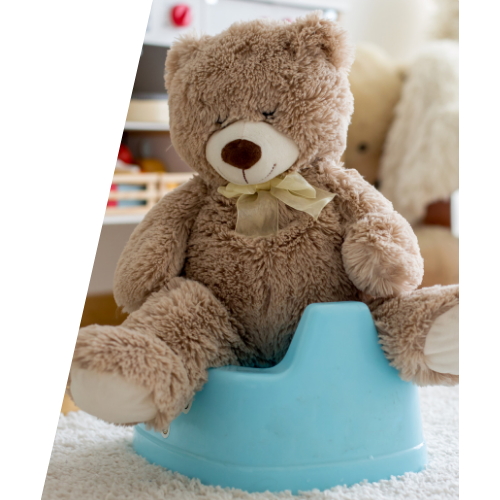
Signs of Readiness
Potty training success hinges on recognizing your child’s readiness. While every child develops at their own pace, certain physical, emotional, and cognitive indicators can help you determine the right time to start:
Physical Readiness
- Dry Diapers for Extended Periods: If your toddler remains dry for two or more hours, their bladder control may be developing.
- Awareness of Bodily Functions: Signs like squatting, grunting, or retreating to a private spot during a bowel movement show awareness of physical cues.
- Discomfort with Dirty Diapers: Pulling at a wet or soiled diaper or asking for a change reflects a growing preference for cleanliness.
Emotional and Cognitive Readiness
- Interest in the Potty: Your child might show curiosity about the toilet or imitate older siblings or parents using it.
- Following Instructions: A readiness to understand and follow simple directions is crucial for potty training routines.
- Independence: An eagerness to do things “all by myself” signals their readiness to take charge of this new skill.
When to Start
Timing is essential. If your child shows these signs and is in a calm and stable phase of life (no major transitions like moving or welcoming a new sibling), it might be the perfect opportunity to begin potty training.
If your toddler isn’t showing these signs yet, don’t rush. Waiting for readiness can make the process smoother and less stressful for both you and your child.
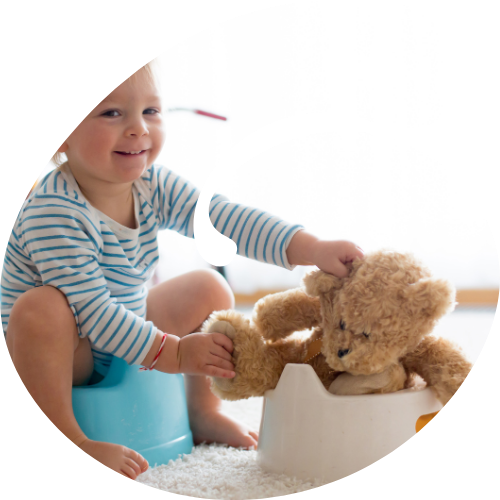
Choosing the Right Approach
Potty training success often depends on selecting the right method for your child’s personality and developmental stage. Here are some popular techniques, along with their unique advantages:
Child-Led Training
This gentle, flexible method allows your child to guide the process based on their interest and readiness. It’s ideal for children who need a gradual transition or feel overwhelmed by a structured approach.
Benefits:
- Reduces pressure on both parents and children.
- Encourages independence and builds confidence over time.
Timed Interval Training
This method involves scheduling regular potty breaks, regardless of whether your child signals the need. It’s particularly effective for creating routine and consistency.
Benefits:
- Helps your child establish a habit.
- Reduces the chance of accidents by preempting them.
The 3-Day Method
This intensive technique aims to achieve results quickly by dedicating three consecutive days to teaching your child to use the potty. During this time, parents stay at home, monitor their child closely, and reinforce the connection between potty use and staying dry.
Benefits:
- Produces fast results for motivated parents and children.
- Promotes consistency and focus for both parties.
Tips from the Nest: Skip the Pull-Ups
Many parents on TikTok are skipping pull-ups altogether in favor of underwear from the start. Here’s how this method works:
- Bathroom Breaks Every 15 Minutes: Take your child to the potty at regular intervals, especially after waking up or finishing a meal.
- Learning from Accidents: Allow your child to feel the discomfort of wet or soiled underwear, helping them quickly associate accidents with unpleasant sensations.
- Three Uninterrupted Days: Dedicate three consecutive days to staying home and focusing entirely on potty training.
Why It Works:
This approach emphasizes consistency and creates a sensory learning experience. Feeling uncomfortable in wet underwear motivates toddlers to use the potty next time.
By choosing the approach that aligns best with your parenting style and your child’s temperament, you can set the stage for a smoother and more successful potty training experience.
Preparing for Success
Setting the stage for potty training can make the process smoother and more enjoyable for both you and your child. Here are key steps to prepare:
Stock Up on Essentials
Make sure you have the right tools to start potty training with confidence. These may include:
- A potty chair or seat insert that fits securely on your toilet.
- Training pants or comfortable, easy-to-remove underwear.
- Flushable wipes for easy cleanup.
- Rewards such as stickers, small toys, or a colorful progress chart to celebrate milestones.
Create a Potty Routine
Consistency is key when it comes to establishing new habits. Set specific times each day for your child to sit on the potty, such as:
- First thing in the morning.
- After meals or snacks.
- Before naps or bedtime.
Routine helps build familiarity and gives your child regular opportunities to succeed.
Set a Positive Tone
Your attitude sets the tone for the experience. To create a stress-free environment:
- Use encouraging, upbeat language.
- Frame the potty as an exciting step toward being a “big kid.”
- Incorporate fun elements like reading a special book or singing a potty-time song.
Steps to Start Potty Training
Once you’re ready, follow these steps to ease your child into potty training:
Introduce the Potty
Allow your child to explore their potty chair or seat without any pressure to use it. You can explain its purpose in simple, age-appropriate terms: “This is where we go pee and poop!”
Practice Without Pressure
Encourage your child to sit on the potty at routine times, even if they don’t need to go. Let them get comfortable with the process by observing and imitating family members.
Transition to Underwear
Celebrate the move from diapers to underwear as a big milestone. Let your child pick out “big kid” underwear featuring their favorite characters or colors to make it more exciting.
Celebrate Success
When your child uses the potty successfully, reinforce the behavior with praise or small rewards. Highlight their progress: “Wow, you did it! You’re learning so quickly!”
Handle Accidents Calmly
Accidents are a natural part of potty training. Instead of expressing frustration, reassure your child:
- “That’s okay! Let’s clean up and try again next time.”
This keeps the experience positive and builds your child’s confidence.
By preparing thoughtfully and approaching each step with patience and encouragement, you can create a potty training experience that’s both effective and enjoyable for your child.
Overcoming Challenges
Potty training can be a rewarding yet challenging journey for both parents and children. Being aware of common hurdles and developing strategies to overcome them can lead to a more successful experience.
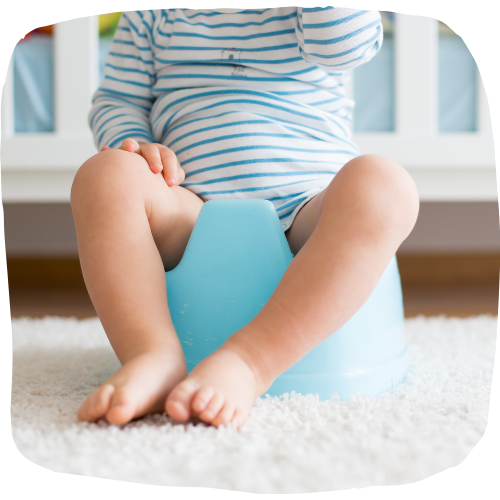
Common Hurdles
- Fear of the Potty
Some children may feel apprehensive about using the potty, especially if they are used to the security of diapers. To help alleviate this fear:
- Make it Fun: Use toys or stuffed animals to demonstrate how to use the potty. Reading books about potty training can also normalize the experience and make it less intimidating.
- Encourage Exploration: Allow your child to interact with the potty chair before expecting them to use it. They can sit on it fully clothed or even bring their favorite toy to sit with them.
- Accidents
Accidents are a normal part of the potty training process, and handling them with grace is crucial:
- Stay Patient: Avoid scolding or showing frustration when accidents happen. Instead, calmly reassure your child that it’s part of learning.
- Positive Reinforcement: Focus on the successes, even if they are small. Praise your child for trying to use the potty, and encourage them to keep practicing.
- Regression
It’s common for children to regress after a period of successful potty use, often due to stressors such as changes in routine or family dynamics:
- Stick to the Routine: Re-establish your potty training routine and be patient as your child readjusts. Consistency helps reinforce their learning.
- Understand Triggers: If you notice a regression, consider any changes in your child’s environment that may be affecting their comfort.
Managing Nighttime and Travel
Transitioning from daytime to nighttime potty training and managing outings can present additional challenges. Here are some strategies to ease these situations:
- Nighttime Training
- Timing: Once your child is consistently using the potty during the day, you can begin to introduce a nighttime routine. This might include taking them to the bathroom right before bed and limiting fluid intake an hour before sleep.
- Nighttime Protection: Consider using waterproof mattress protectors during the transition. If accidents occur, reassure your child that it’s okay and help them understand that their body is still learning.
- Travel
- Portable Potty: Invest in a portable potty or a travel seat that fits over standard toilets. This can help make using unfamiliar restrooms less intimidating for your child.
- Maintain Consistency: Try to keep your child’s potty schedule as consistent as possible, even when traveling. Plan bathroom breaks every couple of hours and before meals to encourage regular use.
- Practice in Advance: If you’re going on a trip, take some time to practice using the portable potty at home beforehand. This can help your child feel more comfortable with the setup.
By preparing for and addressing these common challenges, you can create a supportive environment that encourages your child to succeed in their potty training journey. Consistency, patience, and understanding will go a long way in helping them master this important milestone.
The Diaper Days Are Over
Potty training is a learning process that requires patience, consistency, and encouragement. Every child’s journey is unique, so celebrate small wins and stay flexible. With the right approach and tips like skipping pull-ups and practicing frequently, your toddler will master this milestone in no time.

Red Dye 40 in Foods: Does It Really Matter?
If you’ve ever flipped over a snack bag like Doritos and noticed “Red 40” on…

Having a Baby With Colic: When Nothing Seems to Help
If you’ve ever had a baby with colic, you know it’s not just “a fussy…

Should You Sleep In or Stick to Your Routine After a Rough Night?
When your baby or toddler has you up all night, the morning decision can feel…

Motherhood Burnout Isn’t a Failure — It’s a Signal
Motherhood burnout doesn’t usually arrive all at once. It creeps in quietly, between the never-ending…