
Sleep Training
Sleep training is the process of helping your baby learn to sleep independently through the night, ensuring they get the rest they need for healthy development. For many parents, this phase can feel overwhelming, filled with questions and doubts about the best approach to take. However, developing good sleep habits is essential, not just for your baby, but for the whole family’s well-being.
It’s important to note that there isn’t a single “right” method for sleep training. Each family’s routine, values, and the baby’s temperament can influence which approach works best. The goal is to find a sleep training method that fits your needs while ensuring your baby learns to self-soothe and sleep longer stretches.

Why Parents Start Sleep Training
Parents choose to start sleep training for a variety of reasons, all of which are valid and based on the unique needs of their family. Whether it’s to reclaim personal time, promote their baby’s independence, or improve everyone’s sleep quality, the decision to sleep train is a deeply personal one. Here are some common reasons parents turn to sleep training:
Exhaustion from Co-sleeping and Night Feeds
For some parents, especially breastfeeding mothers, co-sleeping and frequent night feeds can lead to sheer exhaustion. While co-sleeping can be a comforting way to bond, it often results in disrupted sleep for both the parent and baby. Moms may find themselves running on fumes, waking multiple times to feed, soothe, or attend to their baby, leaving them feeling physically and emotionally drained.
In these cases, sleep training can be a way to reclaim much-needed rest. By teaching babies to self-soothe and sleep longer stretches at night, parents are better able to recharge, leading to improved mood, energy, and overall well-being.
Needing Alone Time as a Couple or Individual
Parenting can be all-consuming, especially in the early months when babies require constant attention. Many parents find themselves craving alone time—either as a couple or as individuals—to unwind, reconnect, and take care of their own needs. The hours after bedtime might be the only opportunity to relax, but if baby’s sleep is erratic, those moments can be few and far between.
Sleep training provides structure and consistency, allowing parents to enjoy some peaceful downtime in the evenings, guilt-free. Whether it’s enjoying a quiet dinner, watching a movie, or just having some time to recharge, prioritizing sleep training can help parents create the space they need for themselves.
Fostering Independence Early
Some parents see sleep training as a way to foster their baby’s independence early on. By teaching babies to sleep on their own, parents believe they are helping to build the foundation for self-sufficiency and healthy sleep habits that will make future transitions—like moving to a toddler bed or starting daycare—easier.
Encouraging independent sleep at a young age is seen as a way to give babies the tools they need to settle themselves, minimizing the need for parental intervention at night. This approach can help both parents and babies sleep more soundly, knowing that their little one is developing important self-soothing skills.
Improving Family Well-being
For some families, sleep deprivation can start to take a toll on everyone’s mental and physical health. Parents who are sleep-deprived may struggle with patience, focus, and emotional stability, which can make parenting even more challenging. If both parents are working, poor sleep may also impact their job performance and overall mood.
Sleep training helps establish consistent sleep patterns, ensuring that the baby—and the rest of the family—can rest well. A well-rested household is typically a happier one, with more energy and patience to navigate daily challenges.
Ultimately, the decision to start sleep training comes down to what works best for your family. Whether it’s driven by the need for rest, personal space, or a desire to nurture independence, there is no right or wrong reason. Every family’s journey is unique, and what matters most is finding a solution that allows everyone to thrive.
When to Start Sleep Training
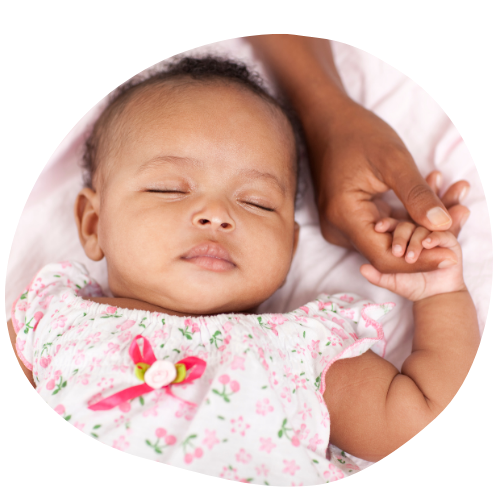
Knowing when to begin sleep training is a common concern. While every baby is different, most experts recommend starting sleep training between 4 and 6 months of age. By this time, babies are generally developmentally ready to sleep for longer periods and no longer need to eat every few hours during the night.
Signs Your Baby May Be Ready for Sleep Training:
- They can go longer stretches between feedings.
- Your baby is showing signs of being able to self-soothe (e.g., sucking on their thumb or pacifier to calm down).
- Night wakings seem habitual rather than driven by hunger.
- You and your baby are both ready for more predictable sleep patterns.
Before starting sleep training, check with your pediatrician to ensure your baby is at the right developmental stage and that there are no underlying health issues that could affect sleep. Some parents may wait as long as a year to 2 years before they decide to sleep train. While sleep training is generally more effective the earlier you start, there is no wrong time to begin and enjoy a successful outcome.
Popular Sleep Training Methods
Several sleep training methods have been developed over the years, each offering different levels of involvement from parents. Below are some of the most common approaches.
Cry It Out (CIO)
The Cry It Out method, also known as the “extinction” method, involves allowing your baby to cry for longer periods without intervening. The idea is that the baby will eventually learn to self-soothe and fall asleep on their own.
- How It Works: After the bedtime routine, place your baby in their crib and leave the room. Do not return, even if they cry, until the next scheduled check-in (or morning).
- Pros: Many parents report that it works quickly (often in a few days).
- Cons: It can be emotionally difficult for parents, and some feel uncomfortable with prolonged crying.
Ferber Method
The Ferber Method is a more gradual approach that involves checking in on your baby at timed intervals to provide comfort without picking them up.
- How It Works: After placing your baby in their crib, leave the room but return at increasing intervals (e.g., 3 minutes, then 5, then 10) to offer reassurance. These check-ins involve soothing your baby verbally but without picking them up. Over time, the check-ins become less frequent.
- Pros: It can teach babies to self-soothe with less distress than Cry It Out.
- Cons: While less intense than CIO, it still involves periods of crying, which can be tough for some parents.
Chair Method
The Chair Method involves gradually moving away from your baby as they learn to sleep independently. This method may take longer but allows for a gentler transition.
- How It Works: Place a chair next to your baby’s crib and sit there while they fall asleep. Every few nights, move the chair further away until you are eventually out of the room. This approach allows your baby to feel your presence but gradually reduces their dependency on you for sleep.
- Pros: Gentle and reassuring, allowing parents to feel more involved.
- Cons: It can take longer to achieve success compared to more structured methods.
No Tears Method
As the name suggests, the No Tears Method focuses on minimizing crying and creating positive sleep associations. It often involves rocking, feeding, or patting your baby to sleep, then gradually weaning them off these aids.
- How It Works: You help your baby fall asleep through calming techniques like rocking, feeding, or patting, but gradually lessen your involvement over time. This might mean putting them down slightly awake so they learn to drift off on their own.
- Pros: Reduces stress for parents and babies alike, as it avoids letting them cry alone.
- Cons: This method often requires more time and patience and might take longer for the baby to fully self-soothe.
Establishing a Bedtime Routine
One of the cornerstones of successful sleep training is creating a consistent and soothing bedtime routine. Babies thrive on predictability, and a structured bedtime routine helps signal that it’s time to wind down for the night.
Tips for Creating a Routine:
- Bath Time: A warm bath can relax your baby, signaling the transition from playtime to bedtime.
- Quiet Activities: After the bath, engage in calming activities like reading a book, singing lullabies, or gentle rocking.
- Dim the Lights: Lowering the lights creates a calming atmosphere, letting your baby know it’s time to sleep.
- Consistency: Follow the same steps every night. A familiar routine helps babies feel secure and prepares them for sleep.
Remember, the key is to make the routine calming and enjoyable, not rushed or stressful.
Creating a Sleep-Friendly Environment
The environment your baby sleeps in can have a huge impact on the success of sleep training. Here are some tips for creating an optimal sleep setting:
- Darkness: Use blackout curtains to create a dark room, which signals to your baby that it’s nighttime. A nightlight can be used if your baby seems uncomfortable in total darkness.
- White Noise: A white noise machine can help drown out household sounds and soothe your baby to sleep.
- Cool Temperature: Keep the room at a cool, comfortable temperature (between 68-72°F) to help your baby sleep soundly.
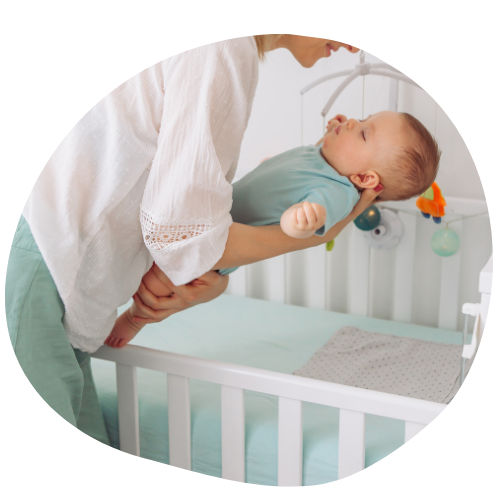
- Safe Sleep Practices: Always put your baby to sleep on their back, and ensure the crib is free from loose bedding, pillows, or stuffed animals to reduce the risk of SIDS.
Managing Sleep Regressions
Sleep regressions are periods where a baby’s sleep patterns suddenly change, and they wake more frequently. These often occur around major developmental milestones, such as learning to crawl or walk.
Common Ages for Sleep Regressions:
- 4 months: Often the first major sleep regression, as babies transition from newborn sleep cycles to more adult-like sleep patterns.
- 8-10 months: Linked to developmental milestones like crawling and pulling up to stand.
- 12 months: As babies become more mobile and curious, sleep disruptions can occur.
During a sleep regression, it’s crucial to remain consistent with your sleep training methods. These phases are temporary, and sticking to your routine will help your baby return to their usual sleep habits.
How Long Does Sleep Training Take?
The length of time it takes for sleep training to work varies depending on the method you choose, your baby’s temperament, and how consistent you are with the approach. Some babies may adjust to sleep training within a few days, while others might take a couple of weeks.
Factors That May Affect Progress:
- Baby’s Age and Development: Younger babies might take longer to adapt to sleep training, while older babies may respond more quickly.
- Consistency: Maintaining a consistent routine is key. Inconsistency can confuse your baby and slow down the process.
- Method Used: More gradual methods like the Chair Method can take longer, while more direct approaches like CIO often lead to quicker results.
- Wake Times: Make sure your wake times are appropriate. A baby who sleeps too much or not enough will have a harder time with the new adjustment.
The important thing is to stay patient and remember that, eventually, your baby will learn to sleep through the night.
Common Challenges and Solutions
Sleep training isn’t without its challenges. Here are some common obstacles and tips to overcome them:
- Handling Crying: Crying is often part of sleep training, but it can be hard for parents to hear. Remind yourself that crying is your baby’s way of learning to self-soothe. Use check-in methods or reassure your baby from a distance if needed. Some parents opt for headphones, while watching the baby monitor to help ease discomfort.
- Night Wakings: If your baby continues to wake during the night, ensure they’re not hungry or uncomfortable, and use your sleep training method to settle them back to sleep.
- Setbacks: Events like teething, illness, or travel can disrupt sleep training progress. Stay flexible but return to your sleep training routine as soon as possible.
Should You Sleep Train?
Whether or not to sleep train is a personal decision. Some families find it necessary to get everyone more rest, while others prefer to wait until their baby naturally sleeps through the night.
Things to Consider:
- Parenting Style: Some parents prefer a more hands-off approach, while others feel more comfortable staying close to their baby. Choose a method that aligns with your instincts.
- Baby’s Needs: If your baby responds well to gentle guidance, you may not need formal sleep training. However, if night wakings are affecting your family’s well-being, sleep training might be a helpful tool.
- Mama’s Needs: Remember, you can’t fill your baby’s cup if you’re not filling your own. Taking care of children while sleep deprived is dangerous, so be sure to prioritize your sleep. If that means sleep training early on, then so be it.
If you’re unsure, talk to your pediatrician to weigh the options and decide what’s best for your family.
Remember- Consistency is Key
Sleep training can be a challenging journey, but it ultimately leads to better rest for both your baby and your family. While no single method works for every baby, the key is to stay consistent, patient, and open to adjusting your approach as needed. With time, your baby will develop healthy sleep habits, giving everyone more peaceful nights ahead.

Red Dye 40 in Foods: Does It Really Matter?
If you’ve ever flipped over a snack bag like Doritos and noticed “Red 40” on…
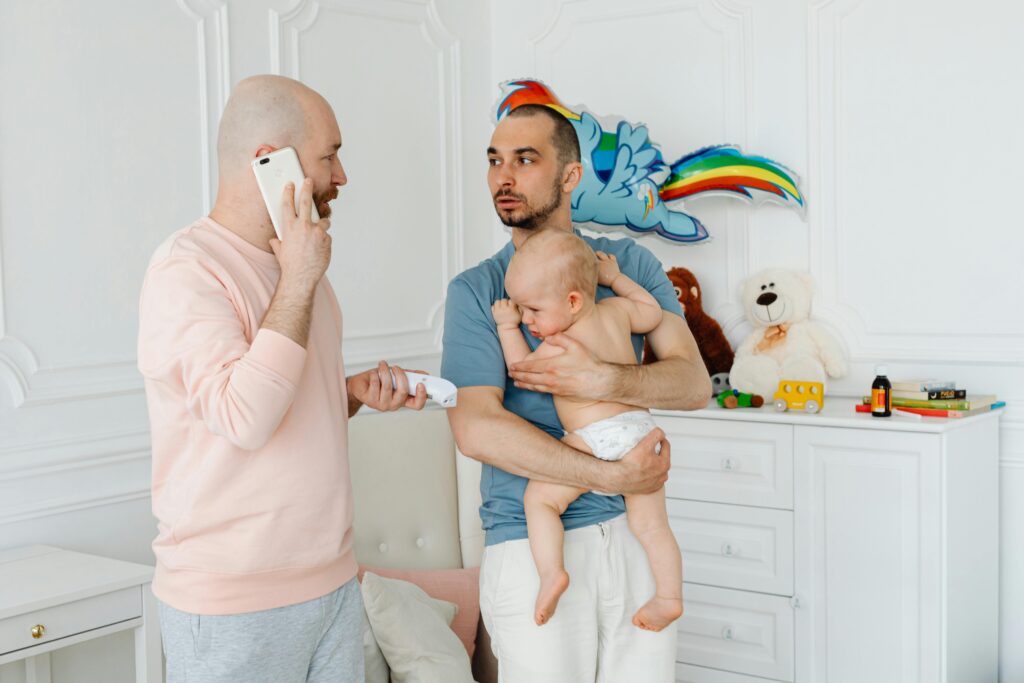
Having a Baby With Colic: When Nothing Seems to Help
If you’ve ever had a baby with colic, you know it’s not just “a fussy…

Should You Sleep In or Stick to Your Routine After a Rough Night?
When your baby or toddler has you up all night, the morning decision can feel…
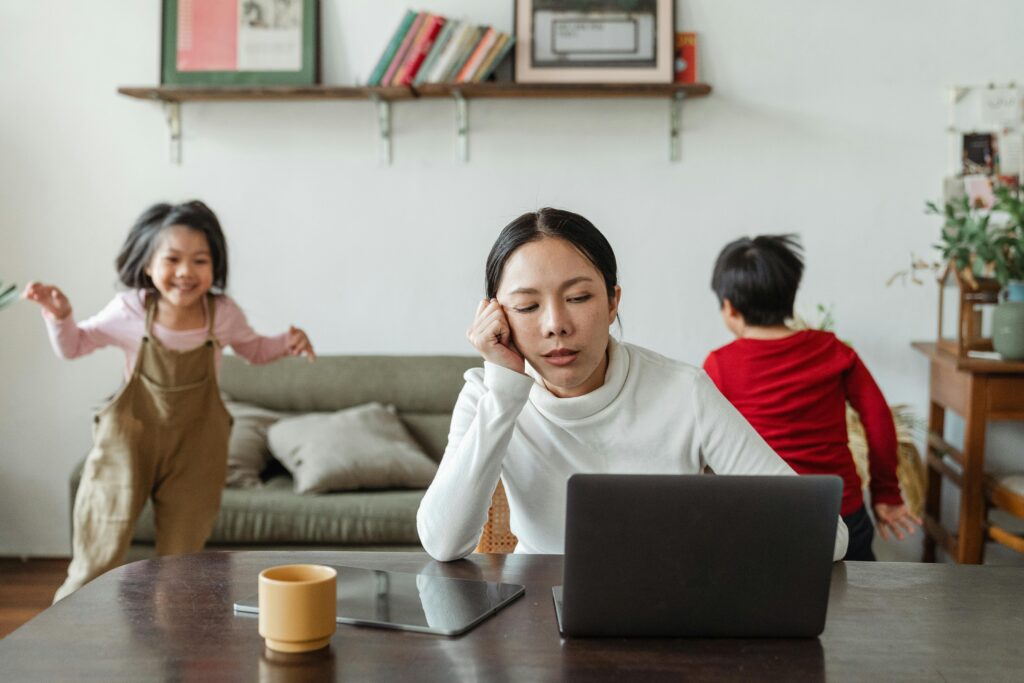
Motherhood Burnout Isn’t a Failure — It’s a Signal
Motherhood burnout doesn’t usually arrive all at once. It creeps in quietly, between the never-ending…