
All About Age 3: Milestones, Tips, and Joys of Raising a 3-Year-Old
Welcome to the wonderful world of three-year-olds! At this age, children are full of curiosity, energy, and developing skills, making it a dynamic stage filled with exploration and discovery. Many parents find that three brings a new level of independence as well as more complex emotions and social interactions. This stage is often characterized by rapid language development, growing social skills, and a deeper sense of imagination, all of which open the door to meaningful connections and lots of laughter.

Key Milestones for Three-Year-Olds
Three-year-olds are at an exciting stage of growth and development, showing more independence, curiosity, and interaction with the world around them. Let’s explore the key milestones across different areas—social, emotional, cognitive, and physical—that many children reach by this age.
Social and Emotional Milestones
At three, children often become more social and interested in forming friendships. They may start to engage in cooperative play, sharing toys and taking turns, though they’ll still need support and guidance in navigating social interactions. You’ll likely see empathy emerging as they recognize and respond to the feelings of others, like offering comfort when a friend is upset. Emotions can also become more intense, and “big feelings” may lead to tantrums or frustrations as they learn to manage their emotions.
Language and Communication Skills
Language skills grow rapidly around age three, with many children speaking in longer, more complex sentences. They may be able to hold simple conversations, answer questions, and understand basic instructions. A three-year-old’s vocabulary typically expands to around 1,000 words, and they start to grasp the rules of grammar, though they may still make endearing errors, like saying “goed” instead of “went.” Storytelling becomes more common, and they may talk about imaginary friends or narrate their play.
Cognitive Development
At this stage, cognitive skills like problem-solving, memory, and attention span see significant improvement. Three-year-olds begin to understand cause and effect, categorize objects by color or shape, and complete simple puzzles. They’re curious about the “why” behind things, often asking endless questions to satisfy their curiosity about the world. Counting and number recognition start to emerge, though they may only be able to count up to three or four objects accurately.
Physical Development and Motor Skills
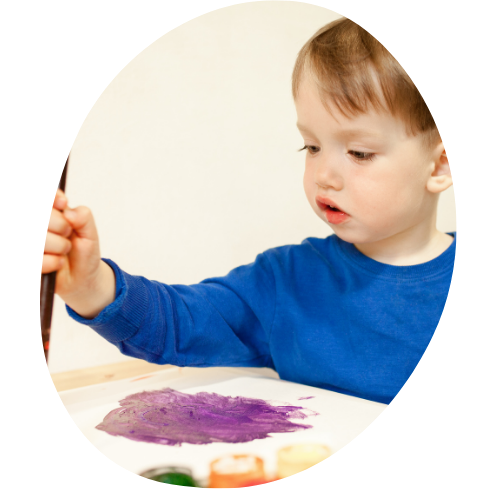
Physical skills take a leap forward at age three. Gross motor skills improve as children become more adept at running, climbing, and jumping, and many three-year-olds can pedal a tricycle. Fine motor skills are also refined, enabling them to draw simple shapes, turn book pages one at a time, and manipulate small objects like beads or blocks. Many children begin to show a preference for using one hand over the other at this age.
Independence and Self-Care
Three-year-olds love to assert their independence by attempting self-care tasks, like dressing themselves, washing their hands, or helping with simple chores. They may also become more aware of potty training routines, though every child’s readiness for full toilet training varies. This newfound independence is a big confidence booster, though they may still need guidance and reminders.
Imagination and Play
Imaginative play blossoms at three, with children creating elaborate pretend scenarios. They may act out family dynamics with dolls or pretend to be animals, superheroes, or favorite characters. This kind of play is not only fun but also crucial for emotional and social development, as it helps children process emotions and practice problem-solving in a creative context.
Supporting Development at Age Three
Encourage these milestones by providing a nurturing, structured environment filled with opportunities for play, social interactions, and exploration. Reading together, offering open-ended toys (like blocks or art supplies), and spending time outdoors are wonderful ways to support their growth. Remember that every child develops at their own pace, and these milestones are general guidelines, not strict timelines.
With lots of patience, positive reinforcement, and an understanding of their developing abilities, you can help your three-year-old thrive during this special year!
Health and Wellness Guide for Three-Year-Olds
At age three, health and wellness routines play a crucial role in supporting physical, emotional, and developmental growth. Here’s a breakdown of the key areas to focus on for ensuring your three-year-old stays healthy and happy.
Doctor Appointment and Vaccination Schedule
Three-year-olds typically attend one well-child visit per year, though your pediatrician may recommend more frequent visits if there are specific health concerns. At these check-ups, the doctor will assess growth, development, and overall health, providing a chance for parents to discuss any questions or concerns.
Regarding vaccinations, the CDC recommends the following for children by age three:
- Flu Vaccine: Administered annually during flu season.
- Catch-Up Vaccines: For children who missed doses of earlier vaccines, like the MMR (measles, mumps, rubella) or Varicella (chickenpox) vaccines, catch-up shots may be necessary. Your pediatrician can provide a detailed schedule based on your child’s health records.
Read more in depth on Appointments and Vaccine Timeline for toddlers.
Hygiene Routines
Maintaining good hygiene helps keep your child healthy and instills lifelong habits. Some key practices include:
- Handwashing: Teaching three-year-olds to wash hands after using the bathroom, before meals, and after playing outside is essential. Use soap and water, encouraging them to scrub for at least 20 seconds.
- Bathing: Aim for about two to three baths per week. At this age, they don’t need daily baths, but more frequent washing may be necessary if they’re especially active or sweaty.
- Nail Trimming: Keeping nails trimmed helps prevent scratches and minimizes the spread of germs. A weekly trim is typically sufficient.
Dental Care
Three-year-olds are now likely to have most, if not all, of their baby teeth, so regular dental care is essential.
- Dental Visits: The American Academy of Pediatric Dentistry recommends children visit the dentist every six months. These check-ups help monitor oral health, address potential issues, and introduce fluoride treatments to strengthen teeth.
- Brushing: Brush your child’s teeth twice daily with a small, soft-bristled toothbrush and a pea-sized amount of fluoride toothpaste. Encourage them to brush on their own, but be sure to supervise to ensure proper technique.
- Flossing: Begin flossing their teeth if they have teeth that touch. This habit promotes good gum health and prevents cavities in hard-to-reach places.
Potty Training Progress for Three-Year-Olds
As children reach age three, many are advancing through or completing the potty-training process. However, every child’s journey is unique, and developmental readiness for potty training varies widely. Recognizing and respecting your child’s individual progress helps make the experience smoother and less stressful for everyone involved.
Signs of Readiness
For many three-year-olds, several signs indicate they may be ready to start or continue potty training. These include:
- Increased Dryness: If your child stays dry for longer stretches, especially through naps or a few hours during the day, it shows they’re gaining control over their bladder.
- Bathroom Interest: Curiosity about the toilet and watching others use it can indicate readiness. This might include observing parents or older siblings and expressing interest in “going like a grown-up.”
- Physical Independence: Being able to pull their pants up and down independently is a significant milestone for potty training. This motor skill can help them feel more in control of the process and is essential for success.
- Awareness of Bodily Cues: If your child begins telling you when they’re wet, dirty, or about to go, it’s a good indication they’re gaining awareness and may be ready to transition to the potty.
Make Potty Time Routine
Consistency is essential in helping children get comfortable with potty training. By setting specific times for bathroom visits—such as after meals, before bed, and when waking up—you’re introducing a routine that helps normalize the process. Some parents find it helpful to set reminders or use a timer, especially in the early stages. Making potty time a predictable part of the day builds a sense of security and reliability around the process. Over time, they’ll naturally begin to associate these times with bathroom visits, supporting better bladder control and awareness.
Use Positive Reinforcement
Acknowledging your child’s efforts and celebrating small achievements encourages positive associations with potty training. Even small victories, like sitting on the potty without hesitation or signaling the need to go, can be praised with verbal encouragement, stickers, or a small reward system. Positive reinforcement creates motivation and helps your child feel proud of their progress. For many families, it’s also helpful to involve siblings or other family members in the encouragement process, as toddlers often respond well to cheering and support from the people they admire.
Be Patient and Prepared for Setbacks
Patience is perhaps the most critical component of successful potty training. Even after making significant progress, it’s normal for children to have occasional accidents, especially if they’re excited, tired, or distracted. By maintaining a calm and supportive response to setbacks, you can reassure your child that accidents are part of learning and don’t mean they’re failing. Preparing for setbacks with extra clothing on hand or a plan for cleaning up helps minimize stress and encourages patience.
Gradual Encouragement for Consistent Habits
Consistency is key to helping your child feel secure and confident. Encourage frequent bathroom visits, but avoid pushing if they seem resistant. Potty training often happens in stages, so if your child resists, it may help to step back and reintroduce it later. With time, they’ll begin to view the potty as a natural part of their routine.
Building Healthy Habits for a Confident Future
Integrating these health and wellness practices into your daily routine helps lay a solid foundation for lifelong healthy habits. As your child grows, your patience, support, and consistency will help them not only master potty training but also develop a sense of independence and confidence in their abilities. By embracing the process with positivity and flexibility, you’re setting the stage for success—one milestone at a time.
Nutrition and Feeding
At age two, a child’s diet continues to shift toward solid, family-style meals, and this period can be both rewarding and challenging for parents, especially when it comes to picky eating. Good nutrition at this stage supports their physical growth, brain development, and energy levels, setting up healthy eating habits for life.

Setting a Foundation with Balanced Meals
A balanced diet for a three-year-old should include a mix of fruits, vegetables, whole grains, proteins, and dairy. Ideally, each meal includes a combination of these food groups, providing essential nutrients for growth and development. Three-year-olds need about 1,000–1,400 calories per day, depending on their activity level, which should come from nutrient-rich sources rather than empty calories from processed foods.
Key food groups to focus on:
- Fruits and Vegetables: Aim for a variety of colors to ensure a mix of vitamins and minerals.
- Whole Grains: Options like oatmeal, whole-grain bread, and brown rice offer fiber and lasting energy.
- Protein: Beans, lean meats, fish, and eggs provide protein needed for growth.
- Dairy: Milk, yogurt, and cheese are good sources of calcium and vitamin D.
Handling Picky Eating
Picky eating is common at this age as children assert independence and taste preferences. Here are some strategies to navigate this stage:
- Offer Choices: Allow your child to pick between healthy options. For example, ask if they’d like apple slices or carrot sticks instead of dictating what they must eat.
- Stick to Routine: Serve meals and snacks at roughly the same times every day, helping establish regular eating patterns and reduce snacking on less nutritious foods.
- Small Portions, Frequent Meals: Small servings prevent overwhelming them, and you can always offer more if they’re still hungry.
- Model Enjoyable Eating: Eat a variety of foods yourself. Children often mimic adult behaviors, so seeing you enjoy fruits and vegetables can encourage them to try these foods too.
Navigating Junk Food and Sugary Treats
Many children are drawn to sweets, chips, and other processed foods, often marketed toward young kids. While occasional treats are fine, here’s how to manage them without making junk food the focus:
- Limit Access: Keep a variety of healthy snacks within reach while storing sugary or salty treats out of sight.
- Balance Treats with Nutritious Foods: If a treat is part of the day, pair it with a nutritious snack. For example, offer yogurt or a fruit smoothie along with a small piece of chocolate to balance sugar intake with healthier nutrients.
- Healthy Alternatives: Replace some junk food favorites with healthier options. For instance, try homemade baked veggie chips instead of store-bought chips or fruit popsicles instead of ice cream.
- Moderation, Not Elimination: Avoid making treats “forbidden” as this can increase a child’s desire for them. Instead, enjoy small amounts on special occasions to make them feel included.
Encouraging a Positive Attitude Toward Food
Creating a relaxed, positive environment around food can help children form a healthy relationship with eating:
- Avoid Power Struggles: Forcing or pressuring children to eat can create tension and make them more resistant. Offer the food and let them decide how much to eat.
- Make Food Fun: Arrange food in fun shapes, colors, or faces to make it more visually appealing. Engaging them in food preparation, like stirring ingredients or adding toppings, can make them more interested in eating the meal they helped make.
- Reward Non-Food Activities: If you want to reward your child, focus on activities or stickers instead of food-based rewards to avoid associating sweets with achievement.
Addressing Nutritional Gaps with Variety
If your child is selective about certain food groups, offer a range of options within each category. For instance, if they dislike broccoli, try peas, carrots, or sweet potatoes instead. Adding small amounts of disliked foods alongside favorites can help them become familiar with a variety of textures and flavors over time.
Establishing Lasting Healthy Habits
The goal is to encourage a balanced, positive approach to food that can grow with them. By involving them in choices, setting a consistent structure around meals, and embracing flexibility, you can foster healthy eating patterns that last well beyond the toddler years.
For further guidance on toddler nutrition, check out Feeding Your Toddler.
Sleep and Nap Times for a Three-Year-Old
Sleep is crucial for a three-year-old’s growth and development, helping them process new skills, manage emotions, and stay healthy. At this age, most children need around 10 to 13 hours of sleep within a 24-hour period, which usually includes a long stretch at night and sometimes an afternoon nap.
Nighttime Sleep
Most three-year-olds go to bed between 7 and 9 p.m. and wake up around 6 to 8 a.m. Establishing a consistent bedtime routine is essential, as it signals to your child that it’s time to wind down. A calming bedtime routine could include:
- Bath time: A warm bath can help them relax.
- Reading: Reading together helps them transition into a calm state.
- Dim lighting: Turning down lights in the house signals that bedtime is approaching.
This routine not only makes bedtime more predictable but also helps them learn self-soothing skills.
Nap Times
While some three-year-olds continue to nap, others may begin to transition away from daytime naps. If your child still needs one, aim for an afternoon nap lasting around one to two hours. Typically, naps for a three-year-old happen after lunch, around 1–2 p.m., allowing them to recharge without disrupting nighttime sleep.
Sleep Challenges and Solutions
Three-year-olds may experience sleep issues like:
- Resistance to Bedtime: Many three-year-olds are busy exploring their independence and may push back on bedtime. Firm boundaries and a calming routine can help.
- Nightmares and Night Terrors: At this age, children are more aware of their dreams, and nightmares can be more frequent. Providing reassurance and comfort is essential, helping them feel safe.
- Sleep Regression: Some children go through a “sleep regression” around age three, where previously good sleep patterns temporarily worsen. Keeping a consistent bedtime routine can help them get back on track.
Managing Nap Transitions
If your child seems ready to give up naps, you can replace nap time with quiet time.
Quiet time is a dedicated period during the day when children engage in calm, low-energy activities that allow them to relax and recharge. It’s typically used as a substitute for naps, especially for children around three years old and older who may be transitioning out of daily naps. Quiet time can involve activities like reading, listening to soft music or audiobooks, playing with puzzles, drawing, or simply resting quietly. This break in the day provides children with downtime to process their experiences and reset emotionally, even if they don’t sleep.
For parents and caregivers, quiet time offers a structured way to help children regulate their emotions, build independence, and engage in self-directed play or relaxation. It can also be beneficial for parents to take a break or focus on tasks that need quieter moments.
In early childhood development, quiet time can foster self-soothing skills and help children become comfortable with moments of solitude, promoting a sense of calm and contributing to emotional resilience over time.
Co-Sleeping and Independent Sleep
At three years old, some children may still sleep in their parents’ room or bed, while others are transitioning to their own space. If you’re aiming to move them to their bed, a gentle approach works best. Consider starting with a “comfort item,” like a favorite stuffed animal, to make them feel secure.
Encouraging your three-year-old to sleep independently and sticking to a structured routine helps them establish good sleep habits that promote healthy development and give both of you a more restful night’s sleep.
For more in-depth information on toddler sleep patterns and routines, as well as navigating sleep training, check out Your Tot and their Sleep.
Play and Stimulation
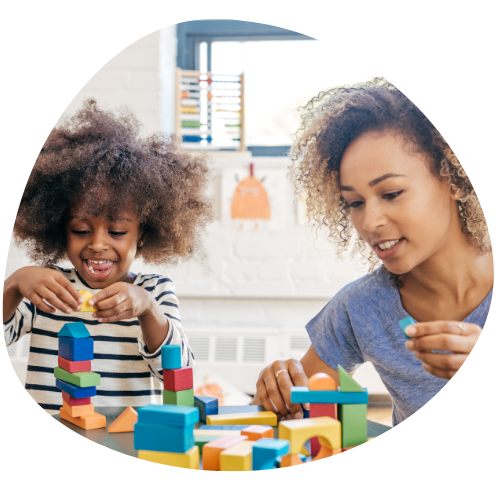
For three-year-olds, play is not only a fun activity but an essential part of their cognitive, physical, emotional, and social development. This age is marked by growing independence, curiosity, and imagination, making it an ideal time to offer stimulating and varied play experiences that foster growth across multiple areas.
Physical Play
Physical activity is crucial for three-year-olds as they are developing motor skills, balance, and coordination. Simple activities like running, climbing, jumping, and playing ball help build strength and control. Tricycles, hula hoops, and playground games allow children to explore movement and build confidence in their physical abilities. Outdoor play also gives them a chance to connect with nature, which can be calming and enriching.
Imaginative and Pretend Play
At three, children often enjoy pretending to be adults or characters they admire, which helps them understand social roles and work through their feelings. Toys like play kitchens, doctor kits, costumes, and dolls or action figures encourage creative play and help children learn empathy, problem-solving, and social interaction. Pretend play fosters their cognitive skills and helps them develop language as they narrate their imagined scenarios.
Artistic Play and Creativity
Art and creativity are also wonderful for three-year-olds, as they enjoy experimenting with colors, textures, and shapes. Simple supplies like crayons, markers, child-safe scissors, glue, and paper allow them to express themselves freely. Painting, sculpting with playdough, and drawing can enhance fine motor skills and allow children to practice decision-making. It’s also an opportunity for emotional expression, as they might communicate their experiences through their art.
Building and Problem-Solving Play
Toys like blocks, simple puzzles, and construction sets encourage critical thinking, spatial awareness, and problem-solving. When children build structures or complete puzzles, they learn to set goals, plan their actions, and handle frustration when things don’t go as expected. These activities can also be collaborative, teaching them teamwork if they’re working with others.
Music and Rhythm Play
Many three-year-olds love music and enjoy dancing, singing, or playing simple instruments like drums or shakers. Musical play supports language development, rhythm, and coordination, and can also be a form of emotional expression. Familiar songs or lullabies help develop memory, while new music introduces them to different sounds and styles, which can broaden their auditory skills.
Books and Storytelling
Reading with a three-year-old supports language development, comprehension, and imagination. Storybooks that allow for interaction—like asking questions about the story or having children predict what happens next—keep them engaged and help build listening skills. Repetition is still comforting and helps them memorize words and phrases, which is beneficial for early literacy.
Educational Games and Learning Activities
Many educational games aimed at three-year-olds focus on basic counting, sorting, shapes, and colors. Simple games that involve matching, sorting objects by size or color, or identifying animals or everyday objects help children practice categorization and improve memory and attention span.
Tips for Encouraging Meaningful Play
- Rotate Toys: Regularly rotating toys keeps interest levels high and prevents overstimulation.
- Play Together: Spending time in play with your child fosters bonding and allows you to model behaviors.
- Allow Downtime: While stimulation is important, three-year-olds also benefit from quiet time where they can choose to play independently or rest, which can help balance their energy.
Incorporating a balance of structured and unstructured play in your three-year-old’s routine will help them develop a range of skills, from fine and gross motor abilities to emotional regulation and social awareness. Each form of play provides a unique benefit, giving your child the tools they need to explore, learn, and grow. Read more about Activities and Daily Schedule here.
Safety for Three-Year-Olds
Safety for three-year-olds is a top priority as they continue to develop both physically and cognitively. At this age, children are becoming increasingly curious, independent, and mobile, which presents new challenges for parents and caregivers. While three-year-olds can often engage in more complex activities and play, their safety requires constant vigilance and age-appropriate precautions. Here’s an overview of key safety considerations for three-year-olds:
Supervision is Essential
Three-year-olds have boundless energy and a curiosity that can get them into trouble, so close supervision is necessary at all times. Whether indoors or outdoors, ensure that your child is never left unattended. This is especially important around potential hazards like bodies of water, streets, or playground equipment. Establish clear boundaries for where they can go and help them understand safety rules.
Home Safety
- Secure Furniture and Appliances: At this age, children may start to climb and explore, so it’s important to anchor furniture like bookshelves and dressers to the wall to prevent tipping. Appliances like refrigerators, stoves, and cabinets should also be childproofed to avoid access to dangerous items.
- Electrical Safety: Cover electrical outlets with safety plugs to prevent them from poking objects into the sockets. Ensure that cords for electrical appliances are out of reach to avoid strangulation or electrocution hazards.
- Choking Hazards: Small toys, coins, batteries, and other objects that can fit in a child’s mouth should be kept out of reach to avoid choking risks. Carefully inspect toys for any loose or breakable parts that might present a hazard.
Car and Road Safety
- Car Seats: At three, your child should still be in a rear-facing or forward-facing car seat, depending on their weight and height, and should always be buckled in safely. Ensure the car seat is installed correctly and is appropriate for your child’s size.
- Pedestrian Safety: As three-year-olds start exploring outside more, teach them to look both ways before crossing the street and to always walk with an adult. Use sidewalks and crosswalks when walking, and avoid letting them run ahead of you in parking lots or near busy roads.
Playground Safety
- Playground Equipment: While outdoor play is important, ensure that your child is using age-appropriate equipment on the playground. Make sure surfaces are soft and fall-friendly (e.g., wood chips or rubber) to prevent injury.
- Supervision During Play: Always supervise your child when they are playing on swings, slides, or climbing equipment to ensure they are safe and using it correctly. Check for broken or damaged equipment that could pose a safety risk.
Water Safety
Whether it’s a swimming pool, a bathtub, or even a backyard sprinkler, water poses a significant safety risk to three-year-olds. Always supervise your child when they are near water and teach them basic water safety early on. Never leave them unattended, even for a second, around water.
Fire Safety
- Smoke Detectors: Test smoke detectors in your home regularly and make sure they are working. Teach your child fire safety rules, including stop, drop, and roll, and how to exit the home in case of an emergency.
- Fire Hazards: Keep matches, lighters, and candles out of your child’s reach to prevent accidental burns. Teach them the dangers of fire and that they should not play with hot objects.
Health and Hygiene
- Hand Washing: Encourage frequent hand washing, especially before eating or after playing outside, to help prevent the spread of germs.
- Vaccinations and Doctor Visits: Keep up with scheduled pediatric check-ups, vaccinations, and any recommended health screenings to ensure your child’s overall well-being. Consult with your pediatrician about any health concerns, including vision or hearing assessments.
Emotional and Social Safety
- Safe Socialization: While it’s essential to support your child’s social development, ensure they are in environments where they are supervised and safe. Teach them about personal boundaries, body autonomy, and how to express discomfort or discomfort in social settings.
- Stranger Safety: Begin teaching your three-year-old about stranger danger in an age-appropriate way, explaining who they should trust and who they should avoid, like strangers asking them to go anywhere or take something.
Emergency Preparedness
At this age, it’s a good time to start introducing basic concepts about emergency preparedness. While three-year-olds may not fully grasp emergency situations, simple steps like memorizing their full name, your phone number, and your address can be helpful. Practice fire drills or emergency exits with them in a fun and interactive way.
By keeping these safety guidelines in mind, parents and caregivers can ensure that their three-year-old remains safe and secure in both familiar and new environments. Regularly review and update safety measures as your child grows, and continue to provide a safe, supervised space for them to explore and learn.
For more information on child safety, check reputable sources such as the American Academy of Pediatrics (AAP) and the Centers for Disease Control and Prevention (CDC).
Discipline and Independence in Three-Year-Olds
While the “terrible twos” often get the most attention for challenging behaviors, many families find that the “terrible threes” can actually bring more difficulties. This stage is often marked by more intense emotions, testing boundaries, and an increased desire for independence. Understanding how to approach discipline and foster independence during this time is essential for supporting your three-year-old’s growth.

Discipline in Three-Year-Olds
Disciplining a three-year-old can be challenging due to their developing understanding of rules, emotions, and consequences. At this stage, toddlers have a stronger desire for autonomy but lack the emotional regulation to handle frustrations effectively. This combination often leads to increased tantrums, defiance, and boundary-pushing behavior.
Effective Discipline Strategies:
- Consistency: Consistent responses to behavior help a child understand expectations. If a consequence or rule is not followed through consistently, it may confuse the child.
- Positive Reinforcement: Praising good behavior reinforces the idea of acceptable actions. Celebrating small successes can motivate a toddler to repeat positive behaviors.
- Time-Outs or Calm-Down Time: A brief time-out or taking a moment to calm down in a quiet space can be effective when emotions are running high.
- Natural Consequences: Letting children experience the natural consequences of their actions, such as not getting a treat for throwing a tantrum, teaches them cause and effect.
- Clear Communication: At this age, clear and simple explanations work best. Letting a child know why something is not allowed helps them understand the reasoning behind the rule, even if they don’t always agree with it.
- Modeling Behavior: Children learn by example, so modeling calm, respectful behavior and emotional regulation is key.
Parents might find that a three-year-old’s resistance to authority can be more intense than the defiance seen during the two-year-old stage. Patience and understanding go a long way, but also acknowledging that this phase will pass with steady guidance and loving discipline is important.
Fostering Independence in Three-Year-Olds
Around three years old, children develop a strong desire to do things for themselves and become more autonomous. While this is a healthy part of development, it can lead to frustrations, as children may lack the skills to complete tasks independently. Encouraging independence while maintaining necessary boundaries can help a child feel confident and capable.
Ways to Encourage Independence:
- Offer Choices: Giving children simple choices—such as what shirt to wear or what snack to have—empowers them and fosters a sense of control. Be mindful to provide two acceptable options, which ensures you remain in control while still offering autonomy.
- Self-Help Skills: Encourage activities like putting on shoes, washing hands, or brushing teeth with minimal assistance. These small tasks contribute to a child’s sense of achievement.
- Encourage Problem-Solving: Instead of immediately stepping in to solve problems, allow your child to try things on their own, such as figuring out how to open a door or assemble a simple puzzle. Offering support only when needed builds confidence.
- Support Emotional Independence: Helping children learn to handle emotions on their own is crucial. Teach them to express their feelings with words instead of actions (like hitting or yelling), and support them in finding ways to cope independently, like taking deep breaths.
- Be Patient: It’s important to recognize that while fostering independence is essential, children will need time to master these skills. Be patient, and allow space for them to practice, even if it means things take longer.
Balancing Discipline and Independence: The challenge for parents is to strike a balance between setting boundaries and encouraging independence. A toddler’s need for autonomy can clash with the necessity for rules and safety. For example, your child may want to dress themselves but might struggle to choose appropriate clothes for the weather. Allowing them to make choices, but gently guiding them toward the right decision, supports both their independence and safety.
It’s important to let children feel proud of their independence, but also recognize the need for parental guidance as they navigate this complex developmental stage. With time, patience, and positive reinforcement, your child will gain the skills they need to thrive as they continue to develop their sense of self and their place in the world.
The “terrible threes” can be difficult, but it’s also an exciting time of growth and development. By providing the right support, structure, and encouragement, you’re helping your child transition into a confident, capable, and independent individual.
Being Three: Enjoy the Last Year of Toddlerhood
As your three-year-old continues to grow and develop, this exciting stage is full of new challenges and incredible milestones. From learning to express themselves more clearly to mastering self-help skills, the journey through these formative years is a thrilling ride. By providing a balance of discipline, encouragement, and independence, you’re giving your child the tools they need to thrive both emotionally and physically. While the “terrible threes” can feel overwhelming at times, remember that these moments are just part of your child’s development and learning process. With patience and understanding, you’ll help them navigate this important stage with confidence. Embrace the small victories, cherish the progress, and enjoy the many beautiful moments ahead. You’re laying the foundation for a happy, healthy, and independent future!

Red Dye 40 in Foods: Does It Really Matter?
If you’ve ever flipped over a snack bag like Doritos and noticed “Red 40” on…

Having a Baby With Colic: When Nothing Seems to Help
If you’ve ever had a baby with colic, you know it’s not just “a fussy…

Should You Sleep In or Stick to Your Routine After a Rough Night?
When your baby or toddler has you up all night, the morning decision can feel…

Motherhood Burnout Isn’t a Failure — It’s a Signal
Motherhood burnout doesn’t usually arrive all at once. It creeps in quietly, between the never-ending…