
2T Tips & Essentials for Your Growing Toddler
As children approach or reach age two, many parents feel a significant shift—suddenly, their “baby” seems more like a full-fledged toddler. With new levels of independence, boundless curiosity, and an eagerness to explore, this phase is full of exciting milestones and a few new challenges. Here, we’ll walk you through the essential tips, tools, and insights to support and embrace the transformative two-year-old stage.


Milestones for 2-Year-Olds
At two years old, children experience a remarkable period of growth across various developmental areas. Here’s an overview of key milestones:
Physical Development
- Gross Motor Skills: By this age, most children can run, kick a ball, and walk up and down stairs with some assistance. Improved balance and coordination also allow them to start exploring more complex movements, like jumping and climbing.
- Fine Motor Skills: Two-year-olds can typically stack a few blocks, turn pages in a book, and use utensils with increasing accuracy. They might start drawing lines or circles and enjoy activities that require them to grasp, pinch, or manipulate small objects.
Language and Communication
- Vocabulary Expansion: At this stage, children often know around 50–250 words and are rapidly expanding their vocabulary. Many can name common objects, people, and even body parts.
- Phrases and Sentences: Many two-year-olds begin combining two to four words to form simple sentences, like “want juice” or “big truck.” They may also start to use basic pronouns (e.g., “I,” “me”).
- Following Instructions: Toddlers at this age can usually follow simple two-step instructions, such as “pick up the toy and give it to me.”
Cognitive Development
- Problem-Solving Skills: Two-year-olds are naturally curious and love to explore. They begin to solve simple problems, such as fitting shapes into a sorter or figuring out how to open containers.
- Imaginative Play: This age marks the beginning of pretend play, where children might imitate activities they observe, like “cooking” or “talking on the phone.” Imaginative play is essential for social and emotional growth as it helps them practice roles and scenarios they encounter in real life.
- Understanding Cause and Effect: They start to understand cause-and-effect relationships, like realizing that if they press a button, a toy will make a sound. This discovery process is essential for cognitive growth and fuels their curiosity.
Social and Emotional Development
- Developing Independence: At this age, toddlers are eager to assert their independence and might want to do things on their own, like dressing or feeding themselves. They often express preferences and start using words like “no” to assert their choices.
- Beginning to Share and Show Empathy: Two-year-olds are learning to navigate social interactions and may start showing empathy, like comforting a friend who is upset. However, sharing can still be challenging as they are just beginning to grasp the concept.
- Emotional Expression: Toddlers can experience intense emotions, often without knowing how to manage them, which can lead to tantrums. As they develop, they start learning how to communicate their feelings more effectively with help from caregivers.
Self-Care and Everyday Skills
- Basic Hygiene and Routine Participation: Many two-year-olds can start participating in simple routines, like brushing teeth with supervision, washing hands, or helping put on clothes. This stage is often when parents introduce the concept of potty training, though readiness varies.
- Feeding Themselves: Most children at this age can feed themselves with a spoon or fork, though they might still need help with certain foods. Developing self-feeding skills also boosts their confidence and independence.
Encouraging Growth at This Stage
Every child develops at their own pace, but engaging them in age-appropriate activities and giving them plenty of encouragement supports their growth. Books, puzzles, building toys, and outdoor play are all wonderful ways to help nurture these emerging skills. Talking, reading, and spending quality time with your toddler is also crucial, as this encourages language development and builds a strong sense of security and connection.
These milestones are general guidelines; each child may reach them in their own time. Consult your pediatrician if you have any questions about your child’s progress.
Health and Wellness: Doctor Appointments & Vaccinations
At age two, children typically need only one routine well-child visit within the year. This visit generally takes place around their second birthday, and it includes a comprehensive check on their physical growth, developmental milestones, social skills, and any necessary vaccinations.
However, some pediatricians may recommend additional follow-up visits if there are specific health or developmental concerns to monitor. Also, seasonal flu shots are recommended annually for young children, so families may need an additional quick visit if it isn’t administered during the well-child check-up.
While the standard is one annual appointment, pediatricians often tailor their recommendations based on individual health needs, so it’s always good to confirm with your child’s doctor for the most accurate guidance.
Growth and Developmental Check-Up
During a two-year check-up, your pediatrician will measure your child’s height, weight, and head circumference to ensure they’re on track with growth charts. They’ll discuss your toddler’s physical development, language skills, cognitive milestones, and social behavior, asking about new skills, behaviors, and habits. Parents can expect questions about:
- Physical Milestones: Running, jumping, and fine motor skills like stacking blocks or scribbling with crayons.
- Language and Communication: How many words your child can say, whether they are starting to form sentences, and their understanding of simple instructions.
- Social and Emotional Skills: Your child’s interactions with others, empathy, and how they express emotions, especially as they begin developing independence.
This check-up is also a great time to address any questions or concerns about sleep routines, eating habits, potty training, and other developmental aspects.
Vaccinations
At the two-year mark, many children will already be up-to-date on the primary vaccinations, so this appointment may not include new vaccines. However, some vaccines have additional doses or boosters recommended if your child is due. For example, toddlers may receive the Hepatitis A booster if they haven’t already, as well as flu shots if they’re in season.
The CDC’s recommended vaccinations for a two-year-old include:
- Hepatitis A (HepA): This two-dose series is typically administered starting at age 12 months, with the second dose due 6-18 months after the first. If your child hasn’t completed this series, they may receive the second dose around the two-year mark.
- Annual Influenza Vaccine: Toddlers should receive the flu vaccine annually, which is especially important during flu season.
- Catch-Up Vaccinations: If your child missed any previous doses or is behind schedule for vaccines like MMR (measles, mumps, rubella), Varicella (chickenpox), or others, they may be administered at this time to ensure full protection.
Discuss with your pediatrician if you’re unsure of your child’s vaccine schedule. They can review your child’s records and help keep them on track with recommended immunizations. Read more in depth on Appointments and Vaccine Timeline for toddlers.
Preparing for the Visit
To make the visit smooth, bring along any questions about your child’s development, behavior, or health. Some parents like to write these down ahead of time. Also, prepare your child by explaining that the doctor will check their body to make sure they’re healthy. Bring comfort items, like a favorite toy, to help ease any anxiety they may feel during the exam or vaccinations.
After the Appointment
After vaccinations, monitor your child for common mild side effects, such as fussiness, low-grade fever, or slight swelling at the injection site. Consult your pediatrician if you notice any unusual reactions.
These check-ups ensure that your child stays healthy and reaches milestones as expected. Each well-child visit offers an opportunity for parents to gain insights and resources to support their child’s health and development as they navigate the toddler years.
General Hygiene
At age two, hygiene routines, including diaper changes and baths, are essential to keeping toddlers healthy and comfortable. Here’s a breakdown of common hygiene practices for toddlers in this age range.
Diaper Changes
For a two-year-old, the number of diaper changes per day can vary based on potty training progress and individual needs. On average, toddlers who are not yet potty trained may require about 4 to 6 diaper changes per day. Signs that a diaper needs changing include wetness or a noticeable odor. Prompt diaper changes help prevent diaper rash, so it’s best to check regularly and change diapers as soon as they’re soiled.
If your toddler is starting potty training, the frequency of diaper changes may decrease, especially if they are becoming aware of their bathroom needs. Pull-up diapers can also be helpful during this transitional stage, as they offer convenience for both diapering and potty training.
Bathing Frequency
Toddlers typically need 2 to 3 baths per week, although some parents prefer a daily bath as part of their bedtime routine. Bathing every few days is generally sufficient for hygiene, as toddlers at this age are less prone to producing body odor. However, additional baths might be necessary if they’ve been particularly active or have gotten dirty, such as after playing outdoors.
When bathing your toddler:
- Use warm water and gentle, fragrance-free cleansers that are suitable for sensitive skin.
- Limit bath time to avoid drying out the skin, as young children can be prone to dry skin or eczema.
- After the bath, a light, hypoallergenic moisturizer can help keep their skin hydrated.
Additional Hygiene Tips
- Hand Washing: Teach your toddler to wash their hands after using the potty, before meals, and after playing outside. Modeling good handwashing habits can help encourage them.
- Nail Care: Trim nails weekly to avoid scratches and keep their hands clean.
- Oral Hygiene: Brush their teeth twice a day with a tiny smear of fluoride toothpaste.
Consistent hygiene practices support healthy habits as toddlers grow, promoting a sense of routine and cleanliness. By making hygiene part of their daily routine, you help your toddler develop lifelong skills and keep them feeling fresh and comfortable.
Dental Hygiene Tips for Two-Year-Olds
At age two, maintaining dental health becomes a significant focus, as toddlers start to develop good hygiene habits. Pediatricians and dentists generally recommend a dental check-up every six months to monitor the health of baby teeth, address any early signs of cavities, and give professional cleanings that reduce plaque buildup. By age two, most children have several baby teeth, so establishing a relationship with a pediatric dentist is beneficial.
Here are some key tips to encourage dental hygiene for toddlers:
- Brushing Twice a Day: Parents should help toddlers brush twice daily using a soft-bristled toothbrush and a small smear of fluoride toothpaste (about the size of a grain of rice). This amount is safe for young children, as it provides cavity protection while limiting fluoride ingestion.
- Flossing: Once two teeth touch, introduce gentle flossing. Even though it can be tricky with toddlers, flossing helps prevent cavities between teeth, which are common in young children due to a diet often rich in carbohydrates and sugars.
- Establishing a Routine: A consistent morning and bedtime routine makes brushing a regular habit. Some parents find it helpful to let toddlers “practice” brushing independently before assisting to ensure a thorough cleaning.
- Avoid Sugary Snacks and Drinks: Limit juice and sugary snacks that can lead to cavities. When offering treats, try to include them with meals, as increased saliva during meals helps wash away sugar.
- Positive Reinforcement: Make brushing fun! Use songs, a favorite toothbrush, or sticker charts to encourage cooperation. Creating a positive association with brushing can help toddlers become more enthusiastic about dental care.
Preventing Cavities
The American Academy of Pediatric Dentistry emphasizes avoiding “baby bottle tooth decay” by not letting toddlers fall asleep with milk or juice bottles, as these liquids coat the teeth with sugar. Stick to water between meals and before bedtime to minimize the risk of cavities.
Regular dental visits and at-home care ensure your child’s teeth stay strong, setting up a foundation for healthy permanent teeth as they grow.
Nutrition and Feeding
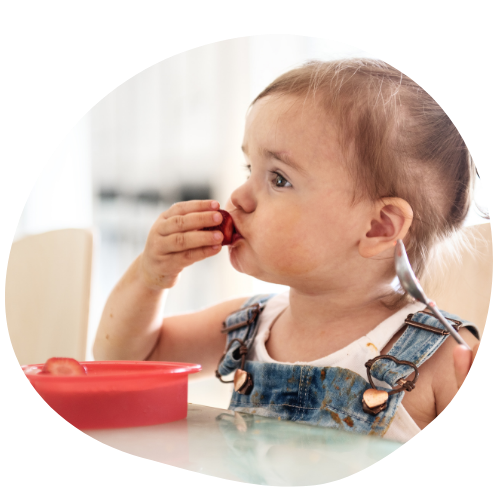
At age two, a child’s diet continues to shift toward solid, family-style meals, and this period can be both rewarding and challenging for parents, especially when it comes to picky eating. Good nutrition at this stage supports their physical growth, brain development, and energy levels, setting up healthy eating habits for life.
Key Nutritional Needs
A balanced diet for a 2-year-old should include:
- Fruits and Vegetables: Aim for a variety, incorporating different colors and textures. This provides essential vitamins, minerals, and fiber.
- Whole Grains: Foods like oatmeal, whole-grain bread, and brown rice offer energy and fiber.
- Proteins: Lean meats, eggs, beans, and dairy products support muscle growth and overall development.
- Dairy: Milk, cheese, and yogurt are excellent sources of calcium and vitamin D, vital for bone growth.
- Healthy Fats: Avocado, nut butters (if not allergic), and olive oil contribute to brain development.
At this age, portion sizes are small, so aim for a few tablespoons of each food group per meal. Offering food frequently throughout the day is key since toddlers tend to eat smaller amounts at a time.
Tackling Picky Eating and the “French Fries and Chicken Nugget Doom”
Picky eating is common around age two as children develop preferences and often prefer familiar flavors, textures, and colors, making foods like french fries and chicken nuggets popular but sometimes over-relied upon. Here are strategies to help navigate these preferences and broaden their palate:
- Introduce New Foods Gradually: Instead of making separate meals, include at least one familiar item alongside new foods. Offering a small portion of a new vegetable or protein with favorite foods can help make the new food seem less intimidating.
- Be Consistent and Patient: It may take multiple exposures (sometimes 10-15 times) before a child accepts a new food. Offer without pressure and let them explore it, even if they don’t eat it right away.
- Model Balanced Eating: Toddlers watch and imitate, so eating a balanced meal with them can encourage them to try different foods. Showing enthusiasm for your vegetables might make them more willing to try theirs.
- Present Foods Creatively: Serve food in fun shapes, colors, or arrangements. Smoothies, yogurt dips, or “snack plates” with an assortment of colorful options can make meals more engaging.
- Limit Processed Snacks: If processed options like french fries and nuggets are too frequent, aim to limit them gradually and introduce healthier homemade versions, such as baked sweet potato fries or breaded chicken strips cooked in an air fryer.
- Avoid Food Battles: Forcing food can lead to resistance. Instead, maintain a calm and positive mealtime atmosphere. Praise any attempt they make to taste or try a new food, even if it’s small.
Hydration and Snack Choices
Offer water as the main drink between meals to stay hydrated without filling up on sugary juices. For snacks, try fruits, yogurt, or whole-grain crackers with cheese to provide energy and keep them satisfied between meals.
Building healthy eating habits at age two sets a foundation for lifelong nutrition. By offering variety, modeling balanced eating, and gently encouraging them to try new foods, you can help your child expand their tastes beyond just fries and nuggets, creating a more adventurous and balanced eater.
For further guidance on toddler nutrition, check out Feeding Your Toddler.
Sleep and Nap Times
At age two, sleep is essential for toddlers’ physical, emotional, and cognitive development. Understanding sleep patterns, potential issues, and best practices can make a big difference in a toddler’s (and parents’) sleep quality.
Recommended Sleep Schedule
A typical 2-year-old needs about 11-14 hours of sleep in a 24-hour period, which usually includes:
- Nighttime Sleep: Around 10-12 hours of sleep at night.
- Naps: Most 2-year-olds will take one afternoon nap lasting 1-2 hours, though some may nap longer or require an occasional morning nap as they transition.
Common Sleep Issues
Two-year-olds often experience sleep challenges, such as:
- Sleep Regression: Around this age, some children may have trouble settling down or wake up during the night due to increased independence, new fears, or developmental milestones.
- Nighttime Anxiety and Fears: As toddlers’ imaginations grow, they may develop fears of the dark or monsters. Gentle reassurance and routines help ease these worries.
- Resistance to Sleep: Increased curiosity and the urge to explore can make toddlers resist bedtime, sometimes testing boundaries by asking for extra books, songs, or even food.
Establishing a Sleep Routine
A consistent bedtime routine is key to helping toddlers wind down and understand that it’s time to sleep. A calming routine might include:
- Bath and Pajamas: A warm bath and comfy pajamas signal that it’s nearly bedtime.
- Reading Time: Reading a book or two is soothing and encourages language development.
- Quiet Activities: Activities like a gentle song or calming cuddle provide comfort.
- Dimming the Lights: Lowering the lights gradually helps stimulate melatonin production, which can help them fall asleep more easily.
Establishing a consistent sleep routine will cue your toddler’s body and mind that it’s time for rest. Try to keep the bedtime routine brief (15-30 minutes) and predictable.
Sleep Training
Sleep training can help establish self-soothing habits. Gentle methods, like the “Ferber” or “pick up/put down” methods, encourage toddlers to fall asleep on their own by providing reassurance without lingering in the room. Gradually, you can increase the time between check-ins to help them become more independent sleepers.
Cosleeping
Cosleeping is a personal choice, and while some families find it beneficial, it’s important to consider potential challenges. At this age, toddlers can become attached to cosleeping, which may make it harder to transition them to their own bed later. If you choose to cosleep, try setting clear boundaries and a plan for eventually moving your child to their own sleep space if that’s your goal. When transitioning, gentle encouragement, consistency, and maintaining familiar bedtime items (like a favorite blanket or stuffed animal) can help ease the process.
Managing Night Wakings and Regressions
If your toddler experiences night wakings, respond calmly and consistently. Offering brief reassurance, rather than engaging in prolonged conversations, helps them settle back down. If regressions occur, returning to consistent sleep routines and ensuring adequate daytime activity can help them adjust back to a solid sleep pattern.
Tips for a Comfortable Sleep Environment
Creating a peaceful sleep environment can reduce disruptions:
- Dark Room: Keep the room dark, using blackout curtains if needed.
- Comfort Items: A small stuffed animal or blanket can provide comfort.
- Sound Machine: Soft white noise can block out household sounds that might wake them.
Final Thoughts
Sleep is vital for two-year-olds, and with the right routines, you can create a secure, comfortable sleep environment that fosters healthy sleep habits. Routines, patience, and consistency can help your toddler navigate any sleep challenges, setting the foundation for restful nights ahead.
For more in-depth information on toddler sleep patterns and routines, as well as navigating sleep training, check out Your Tot and their Sleep.
Play and Stimulation
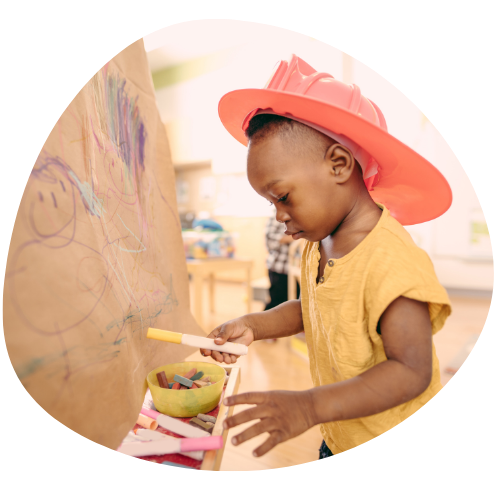
Play is essential for two-year-olds as it fosters cognitive, physical, social, and emotional development. At this stage, toddlers are moving beyond simple exploration and beginning to engage in more structured and imaginative play. The types of play they engage in at this age are foundational for developing motor skills, language, problem-solving abilities, and social interaction.
Types of Play for Two-Year-Olds
- Physical Play
Two-year-olds are energetic and enjoy moving their bodies. They are refining their gross motor skills, including walking, running, climbing, and jumping. Play that encourages physical movement is critical for their development at this age. Activities like:- Climbing on play structures
- Running in safe outdoor spaces
- Kicking or throwing a ball
- Dancing to music
These activities not only help toddlers build strength and coordination but also contribute to their confidence as they explore their growing physical abilities.
- Imaginative or Pretend Play
Imaginative play begins to flourish around the age of two. Toddlers start to engage in simple pretend play, mimicking the actions of adults and exploring the world through role-play. This kind of play allows them to practice social skills and empathy. For example:- Pretending to cook with toy kitchens or cooking sets
- Playing house with dolls or stuffed animals
- Imitating animals or other familiar characters
This kind of play nurtures language skills as toddlers begin to verbalize their thoughts and ideas while also learning to navigate different social roles and scenarios.
- Sensory Play
Sensory play is particularly beneficial for toddlers as it stimulates their senses and helps with cognitive development. At this age, toddlers are learning about textures, shapes, and cause-and-effect relationships. Common activities include:- Playing with water (pouring, splashing)
- Exploring sand, rice, or beans in sensory bins
- Playing with playdough or clay
Sensory activities encourage toddlers to develop problem-solving abilities and improve fine motor skills as they manipulate objects with their hands. Talking about the sensory experiences also helps boost their vocabulary.
- Constructive Play
At two, toddlers enjoy building and constructing. This helps them refine their fine motor skills and introduces early concepts of spatial awareness and problem-solving. Activities like:- Stacking blocks
- Building towers
- Puzzles
These types of activities help with hand-eye coordination and patience, as toddlers learn to experiment and navigate trial and error.
Benefits of Play at This Age
- Cognitive Development: Play helps toddlers understand the world around them, learning cause and effect, developing early problem-solving skills, and improving memory.
- Social Skills: Engaging in play with others helps toddlers practice sharing, taking turns, and navigating social norms. Even parallel play, where toddlers play alongside but not directly with others, fosters early social interaction.
- Language Development: Play encourages communication. Whether through songs, pretend play, or exploring books, toddlers learn new words and practice putting them into sentences.
- Emotional Development: Through play, toddlers express feelings and learn to cope with emotions. Pretend play, for instance, can help them work through complex emotions by mimicking real-life situations.
Managing Playtime
While it’s essential for toddlers to have unstructured playtime, balance is key. Too much screen time or overstimulation can hinder development, while adequate playtime promotes creativity and independence. Incorporating outdoor play and interactive activities with caregivers can help create a well-rounded play environment.
Play is Important
Play is not just fun for two-year-olds; it is a critical tool for learning and development. By offering a mix of physical, sensory, imaginative, and constructive play opportunities, parents and caregivers can support their toddler’s growth in a way that fosters independence, creativity, and confidence. At this stage, toddlers are transitioning from exploration to purposeful play, laying the groundwork for more complex skills in the future. Read more about about Activities and Daily Schedule here.
Safety for Two-Year-Olds
As toddlers approach their second birthday, their physical abilities and curiosity grow rapidly, which means that the need for safety precautions becomes even more important. Two-year-olds are naturally more mobile, exploring their environment in ways they hadn’t before. They may walk, run, climb, and even begin to jump, but they still lack the full coordination and judgment of older children. To keep them safe, it’s essential to childproof your home, practice safe habits, and consistently supervise them in different environments. Here’s a closer look at key safety considerations for two-year-olds:
Home Safety
Two-year-olds love to explore, and with that exploration comes potential dangers. Babyproofing your home is no longer just about securing furniture but adapting the environment to match your toddler’s increased abilities:
- Sharp Edges and Furniture: As toddlers become more mobile, they’re at greater risk of running into or falling against sharp furniture edges. Use corner and edge guards on furniture and appliances.
- Electrical Outlets: Even though your toddler might be past the stage of putting objects in their mouths, they may still try to poke fingers or toys into outlets. Use outlet covers or install tamper-resistant outlets to ensure safety.
- Toxic Substances: Store household cleaners, medications, and other potentially dangerous substances out of reach or in locked cabinets. Two-year-olds are great at getting into places, so high cabinets with childproof locks are a must.
- Small Objects: Small toys, coins, and other tiny items can be choking hazards. Check that all toys and objects around the house are the appropriate size and not small enough to fit into your toddler’s mouth.
- Climbing and Falling Hazards: At this age, toddlers often try to climb on furniture or stairs. Install safety gates at the top and bottom of stairs, and secure furniture to the wall to prevent it from toppling over.
Outdoor Safety
- Supervision: Two-year-olds love to be outdoors, whether it’s playing in the yard or on a playground. Always supervise them closely, especially near roads, pools, or any areas with potential dangers. Never leave them unattended in a stroller or car, even for a short time.
- Playground Safety: If you’re visiting a playground, ensure the equipment is age-appropriate. Soft surfaces like rubber mats or sand are ideal, but be cautious of hard or rough surfaces that may cause injury during a fall. Check for any broken equipment or hazards that could harm your child.
- Sun Protection: At this age, toddlers have sensitive skin that can easily burn. Use sunscreen with a high SPF, dress them in protective clothing, and avoid prolonged exposure to the sun, especially between 10 a.m. and 4 p.m. Hats and sunglasses are also helpful for protecting them from the sun’s harmful rays.
- Biking and Riding Toys: When your toddler starts using riding toys, ensure that they are always wearing a helmet and that the area is free from hazards like uneven pavement or traffic. Helmets are essential for protecting against head injuries.
Car Safety
- Car Seat: For toddlers, it’s crucial to continue using a rear-facing car seat until they reach the height and weight limits specified by the car seat manufacturer. The rear-facing position provides better protection for the neck and spine in the event of a crash. Once your toddler outgrows the rear-facing car seat, transition them to a forward-facing seat with a harness, following all the manufacturer’s recommendations.
- Vehicle Safety: Never leave your child unattended in a car, even for a few minutes. In hot weather, the temperature inside a car can rise quickly, putting your child at risk for heatstroke. Always make sure the car is fully locked, and be mindful of toys or objects that could cause distractions while driving.
Sleep Safety
With sleep becoming more independent for toddlers, it’s important to continue to follow safe sleep practices. Transitioning from a crib to a toddler bed or a regular bed requires careful consideration to prevent falls or accidents during sleep:
- Keep the Toddler Bed Close to the Ground: If your toddler is transitioning to a bed, make sure the bed is low to the ground to prevent serious falls. Guardrails can help, but you should also keep the bed away from sharp furniture or walls.
- Sleep Environment: Keep the crib or bed free from pillows, blankets, and stuffed animals that could pose a suffocation risk. Stick with a firm mattress and ensure any bedding is appropriately fitted.
Health & Hygiene Safety
- Handwashing: Teaching your toddler to wash their hands regularly is vital for preventing the spread of germs. Make handwashing a fun, consistent routine by singing songs or using colorful soap to engage them.
- Food Safety: Keep an eye on your toddler while they eat. As picky eaters often prefer foods like grapes or small snack foods that could cause choking, make sure to cut these into small pieces and always supervise while they eat.
- Sleep Safety: Ensure that your toddler sleeps in a safe crib or bed. Avoid blankets, pillows, or stuffed animals in the crib as they pose a suffocation risk. When transitioning to a toddler bed, use bed rails to prevent falls.
Kitchen Safety
Toddlers love mimicking adult behavior, so kitchen safety is particularly important as they may try to pull things off counters or open cabinets. Keep knives, hot objects, and choking hazards out of reach. You can also install safety locks on lower cabinets and drawer pulls. Be mindful of hot surfaces and never leave a pot handle hanging over the edge of the stove, where your child can grab it.
Stranger Safety
- Stranger Danger: Start teaching your child about personal boundaries and what to do if they are approached by a stranger. While they are still too young to fully understand complex concepts, simple rules like “never go with someone without asking Mommy or Daddy first” are important to start instilling.
- Supervision in Public: In public places like stores or playgrounds, always keep a close eye on your toddler. Toddlers are naturally curious and can quickly wander off, so practice keeping them within arm’s reach, especially in crowded or unfamiliar places.
Reinforcing Safety Awareness
At this stage, toddlers begin to understand basic safety concepts, but they need constant supervision. It’s important to teach them simple phrases like “no touch” when they’re about to interact with something unsafe. Setting up a consistent routine where certain areas or behaviors are restricted (like not touching the oven or climbing on furniture) will help them internalize safe practices.
Emergency Preparedness
- Know What to Do: Make sure you know what to do in case of an emergency. Have the number for poison control, the nearest emergency room, and your pediatrician saved in your phone, and keep printed copies in your home. Teach your toddler simple safety rules, like not touching things that are hot or sharp, and encourage them to call for help if they ever feel unsafe.
- CPR & First Aid: It’s a good idea for all parents to take a CPR and first aid class to be prepared in case of an emergency. Knowing how to react calmly and effectively can make a big difference.
Final Thoughts
As your toddler enters the fast-paced and ever-curious phase of the second year, safety becomes even more important. The combination of increased mobility, curiosity, and lack of full judgment means you’ll need to stay vigilant and proactive about potential hazards. With the right precautions, your two-year-old can explore their world safely while you enjoy watching them grow and learn.
Navigating the Terrible Two’s: Is it Really So Terrible?
The “terrible twos” is a term commonly used to describe the period of time when toddlers, typically around 2 years old, begin to exhibit more challenging behaviors as they assert their independence and navigate the world. It’s a phase marked by temper tantrums, defiance, mood swings, and increased frustration as toddlers try to express themselves while still lacking the communication skills to fully do so. While this period can be overwhelming for parents, it’s also a crucial stage of development.

Why It Happens:
- Developmental Growth: The “terrible twos” is not about being “bad”—it’s a natural result of rapid cognitive, emotional, and social development. At this age, toddlers start to understand their own desires, but they also struggle with limited language skills, which can cause frustration.
- Independence Seeking: Around age 2, toddlers begin to develop a sense of autonomy, desiring to do things on their own. They want control over their environment, which can lead to defiance when they are told “no.”
- Emotional Regulation: This is also when toddlers experience more complex emotions and have trouble managing them. Tantrums can result from feeling overwhelmed, tired, or hungry, and they are an outlet for these feelings.
How to Handle the “Terrible Twos”:
- Patience and Consistency: Consistency in expectations and responses is key. Establishing clear boundaries while also providing choices helps toddlers feel more in control, which can reduce frustration.
- Positive Reinforcement: Encouraging positive behavior through praise or small rewards can motivate toddlers to behave in ways you want to see more often. For instance, instead of focusing on negative behavior, point out and reinforce when they act kindly or follow directions.
- Setting Realistic Expectations: It’s important to remember that toddlers are still learning how to navigate their emotions and behavior. Don’t expect perfection, and instead, focus on making gradual progress toward emotional regulation.
- Stay Calm During Tantrums: During a meltdown, try to stay calm and acknowledge their feelings. When they’re ready to listen, help them label the emotion (“I can see you’re feeling really mad right now”), which can begin teaching them how to manage emotions.
While it may feel like a trying time, the “terrible twos” also provide invaluable opportunities for parents to help their toddlers build emotional intelligence and learn self-regulation. Embrace this phase with empathy and understanding, as it’s a natural part of their development.
Discipline for Two-Year-Olds
As your toddler reaches the age of two, discipline becomes an important part of their development. At this stage, children are testing boundaries, and as their independence grows, they begin to challenge limits and experiment with behavior. While they may not yet fully understand cause and effect, they can begin to grasp basic rules and consequences, making this an ideal time to gently introduce more structured guidance.
Key Principles of Discipline for Two-Year-Olds:
- Redirection and Positive Reinforcement: Toddlers are still learning how to regulate their behavior. Instead of focusing on punishment, redirect undesirable actions into more positive behaviors. For instance, if they throw a toy, suggest an alternative, like “let’s roll the ball instead.” Offering praise when your toddler makes good choices or follows rules is also essential, as positive reinforcement encourages them to repeat those behaviors.
- Consistency is Key: Consistency in discipline is crucial for helping your toddler understand boundaries. When rules and expectations are consistently applied, your child will start to understand that certain behaviors are not acceptable. Keep your responses calm and predictable, even when the behavior is challenging. A sudden, inconsistent response can cause confusion for your toddler and make the rules harder to follow.
- Setting Age-Appropriate Boundaries: At two, your child is still learning about empathy and how to understand the impact of their actions on others. Simple, clear boundaries work best. For example, explain in simple language why certain behaviors are not acceptable, such as, “No hitting, it hurts,” or “We use gentle hands.” Keeping explanations short and to the point helps your child understand what is expected.
- Time-Outs and Calm Down Techniques: While some parents find time-outs effective for older toddlers, many experts suggest using them with caution at age two. At this stage, time-outs should be brief (no longer than one minute) and not used as a form of punishment but as an opportunity for your child to regain control and calm down. Alternatively, teaching your toddler calming techniques, like deep breathing or counting to five, can be beneficial in helping them manage their emotions.
- Modeling Behavior: Young children are like sponges, absorbing everything they see. To reinforce good behavior, it’s essential to model calm, respectful, and positive behavior yourself. If your toddler sees you handling frustration calmly, they will be more likely to imitate those actions.
Disciplining a two-year-old can be tricky, but it’s essential for helping them understand boundaries and develop emotional regulation. It’s important to approach discipline with patience and a positive, consistent approach.
Encouraging Independence in Two-Year-Olds
As your two-year-old’s independence blossoms, it’s important to foster a sense of autonomy that will build their confidence and sense of self. At this stage, children are eager to explore their world and develop the skills necessary to do things “all by myself.” Encouraging independence can help your toddler feel more in control, which is important for their emotional development.
Ways to Encourage Independence in Two-Year-Olds:
- Offer Simple Choices: One of the best ways to encourage independence is by allowing your toddler to make simple choices. Instead of saying, “It’s time for lunch,” offer options: “Do you want apple slices or carrot sticks?” This gives your child a sense of control and involvement in decisions, which helps them feel empowered.
- Promote Self-Help Skills: Two-year-olds are often eager to start doing things themselves. While they may not have the coordination to fully dress themselves, you can encourage them to try. Let them practice by putting on socks or shoes, brushing their teeth with supervision, or helping to set the table. Even small tasks like these help build self-esteem and a sense of accomplishment.
- Create a Routine: Toddlers thrive on routines, as they help them feel secure and give them a sense of structure. A predictable daily routine that includes time for play, meals, and naps provides the stability needed to foster independence. Allowing your child to know what to expect can encourage them to take ownership of their own actions, such as cleaning up after playtime or getting their shoes on when it’s time to go out.
- Encourage Problem-Solving: As your toddler grows, they will encounter challenges, and this is a perfect opportunity to help them build problem-solving skills. If your child is trying to fit a toy in the wrong way, instead of immediately stepping in to help, give them the chance to figure it out on their own. Provide guidance only when necessary, such as, “Try turning it the other way,” and celebrate their success when they solve it.
- Foster Social Independence: Encourage your toddler to play independently with other children. Two-year-olds are developing their social skills, so creating opportunities for socialization can help them practice sharing, turn-taking, and making their own decisions within group settings. Playdates, trips to the park, or classes designed for toddlers can help them learn to navigate social interactions on their own.
- Patience and Support: It’s important to remember that your two-year-old will not always succeed when attempting something on their own, and that’s okay. Be patient, and offer support when necessary, but also allow them to make mistakes. Learning to do things independently can be frustrating for toddlers, and a little encouragement goes a long way in helping them persevere.
Encouraging independence in your two-year-old is about offering opportunities for them to try things on their own while providing support and guidance when necessary. By allowing them to take on responsibilities suited to their age, you’re helping them build confidence, autonomy, and a strong sense of accomplishment.
2T vs. 24 Months Clothing Sizes
When shopping for your growing toddler, understanding the difference between clothing sizes like 2T and 24 months can be a bit confusing. These two sizes might seem similar, but there are distinct differences that can help you choose the right fit for your child.
- 24 Months: This size typically refers to clothing for toddlers who are around two years old. However, it is designed for babies who are still more like infants in their build—smaller waistlines, shorter torsos, and slimmer limbs. Clothing labeled “24 months” is often made with the comfort of a baby in mind, offering more room for diapers and a softer fit. When you shop 24 months, you are shopping for a child 18-24 months in size.
- 2T: As your toddler moves past their second birthday, “2T” clothing is designed to fit a more active, mobile toddler. The “T” in 2T stands for “toddler,” and the sizing is based on the assumption that your child is no longer wearing diapers and has a more proportional body shape compared to a 24-month-old. 2T clothes have more room for movement, longer sleeves and pants, and generally a more adjustable fit, taking into account the growing needs of toddlers who are exploring and becoming more independent. When you shop 2T, you are shopping for a toddler who is the age between their 2nd birthday and their 3rd birthday instead of 2T and below, like you’ve been used to when counting the months in clothing size.
Key Differences:
- Fit: 24 months is still more babyish in its cut, designed for younger toddlers, while 2T provides a looser, more toddler-friendly fit.
- Sizing Progression: 2T is considered a bigger size, designed for kids who are past the “baby” stage of their second year. 24-month clothes are often designed for those in the latter part of their first year.
As your toddler approaches age 2, they may fit into both sizes, but 2T will generally accommodate their increased mobility and growth more comfortably. Always check the size charts for specific brands, as sizes can slightly vary depending on the manufacturer.
Potty Training for Two-Year-Olds
Potty training is a significant milestone for your toddler, typically beginning between 18 and 24 months. By age two, many children start showing signs of readiness for training, although each child progresses at their own pace. Signs include staying dry for longer periods, showing interest in others using the bathroom, and expressing discomfort with dirty diapers. While potty training can be a challenging yet rewarding journey, understanding how to start, encourage, reward, and handle setbacks can make it smoother for both you and your child.
Here’s a step-by-step guide with helpful tips to make potty training a positive experience for your toddler:

Starting Potty Training
The key to starting potty training is to introduce the concept gradually and without pressure. Begin by showing your toddler what the potty is for. You can buy a child-sized potty chair that makes the process feel more personal and less intimidating. Books, videos, and songs about potty training are also great tools to familiarize your child with the concept and make it fun. Use simple language to explain what the potty is for, and show them how it works by demonstrating, whether through their favorite character or a caregiver.
- Tip: Choose a time when your child isn’t undergoing major changes (like moving homes or starting daycare) to begin potty training. This minimizes stress and allows them to focus on the new skill.
Encouraging Potty Training
Once you’ve introduced the potty, encourage your toddler to sit on it, even if they don’t use it at first. The goal is to make them feel comfortable with the potty as part of their daily routine. It’s important to make this a no-pressure situation. Encourage them to try at specific times of the day, such as after meals, when they wake up, or before bed. Let them pick out their own potty training gear, like fun underwear with their favorite characters, which can spark excitement and a sense of ownership in the process.
- Tip: Create a potty routine, like sitting on the potty after meals or naps, to establish consistency and help your child recognize when it’s time to go.
Rewarding Successes
Positive reinforcement is one of the best ways to encourage your child through potty training. Celebrate the small victories, whether it’s sitting on the potty or successfully using it. Rewards can include verbal praise, stickers, or even a special treat. Remember, make the praise feel natural and not over-the-top so it doesn’t overwhelm or confuse them.
- Tip: Be consistent with rewards, but don’t over-rely on material incentives. Verbal praise and high-fives can be just as powerful in reinforcing good behavior.
Preparing for Accidents
Accidents are part of the process, and it’s important to remain patient when they happen. Stay calm, reassure your toddler, and avoid punishment. Instead, remind them gently of the potty and encourage them to try again next time. Your calm response will help your toddler understand that mistakes are normal and part of the learning process.
- Tip: Keep extra clothes and a travel potty on hand when you’re out and about. Familiarity with using the potty in various settings can help them generalize the behavior.
Enduring the Process
Potty training can take time, and every child progresses at their own pace. It’s essential to remain patient and flexible. If your toddler resists potty training or shows signs of regression (like wetting themselves after doing well), take a break and try again later. Be mindful of the pressures and frustrations you may feel, but stay encouraging and consistent. Avoid pushing your child to use the potty if they aren’t ready—it could create unnecessary stress and delay progress.
- Tip: If your child is showing consistent signs of resistance or seems uninterested in potty training, wait a few weeks and try again. Pushing too early can lead to setbacks.
Remember, potty training is a big transition, and every child moves at their own pace. Stay positive, create a fun and supportive environment, and provide lots of praise for their progress. By approaching potty training with patience and consistency, you’re setting up your toddler for success in this important milestone.
The Terrible Two’s Are Not So Terrible
Every day with a two-year-old brings something new! As parents, you’ll experience a whirlwind of excitement, discovery, and growth during these years. By embracing the joys and challenges of this stage, you’re not just guiding your child through milestones—you’re helping them develop essential skills, build confidence, and spark their curiosity about the world around them. Whether it’s through a new word they say, the independence they begin to show, or their ability to express their feelings, every small step you support makes a big difference in their development. As your toddler learns to navigate the world with more autonomy and awareness, you’re laying the foundation for their future success and sense of self. This is a time of transformation, and with patience, love, and consistency, you’re helping your little one grow into a capable, confident individual. Enjoy these precious moments, as the journey of raising a toddler is one of the most rewarding experiences you’ll have!

Red Dye 40 in Foods: Does It Really Matter?
If you’ve ever flipped over a snack bag like Doritos and noticed “Red 40” on…

Having a Baby With Colic: When Nothing Seems to Help
If you’ve ever had a baby with colic, you know it’s not just “a fussy…

Should You Sleep In or Stick to Your Routine After a Rough Night?
When your baby or toddler has you up all night, the morning decision can feel…

Motherhood Burnout Isn’t a Failure — It’s a Signal
Motherhood burnout doesn’t usually arrive all at once. It creeps in quietly, between the never-ending…