
18-24 Months
The journey from 18 to 24 months is full of amazing changes! At this stage, your toddler’s personality really starts to blossom as they’re busy learning new words, exploring their surroundings with more independence, and building their physical skills day by day. It’s a time filled with curiosity, joy, and sometimes a few bumps along the way. This guide walks you through each aspect of caring for your little one as they grow and develop, providing tips and insights to make these months as fulfilling as possible for both of you.

Milestones
Between 18 and 24 months, toddlers grow and learn at their own pace, but some key milestones often emerge in these months. Physically, many are not just walking but are confidently running, climbing onto furniture, and kicking a ball, showing significant progress in coordination and balance. In terms of language, many toddlers start to use 10-20 words or more and comprehend much more than they can verbally express. Socially, they become more interactive, showing affection, mirroring others’ emotions, and sometimes displaying budding empathy.
If you notice delays in areas like movement, communication, or social interaction, don’t hesitate to reach out to your pediatrician. Early guidance and intervention, if needed, can support your child’s development while helping you understand their unique pace.
Physical Milestones
Toddlers are bursting with energy between 18 and 24 months, and this newfound mobility and coordination show in activities like running, climbing, and balancing. Fine motor skills are also advancing as they explore using utensils, playing with small toys, and turning pages in books. You can encourage their physical development by giving them safe spaces to move freely, as well as age-appropriate toys, such as balls, push-pull toys, and climbing structures that help build strength and coordination. At this age, activities that allow them to practice different movements support not only their physical health but also help build their confidence.
Cognitive Milestones
Cognitive abilities also take a big leap at this stage. Your toddler begins to grasp concepts like cause and effect, test problem-solving strategies, and show interest in imaginative play. They may enjoy toys that challenge them to think, like puzzles, shape sorters, and stacking blocks, as these activities reinforce cognitive skills and keep their curiosity alive. Giving them time to work through simple problems independently fosters resilience and boosts their self-confidence, so try to let them explore and solve on their own, stepping in only when needed.
Social and Emotional Milestones
Socially and emotionally, toddlers between 18 and 24 months start to understand more about their relationships with others. You’ll likely notice that they observe and imitate people around them and may even show affection or empathy toward family members, pets, or other children. However, play at this age tends to be parallel rather than interactive, meaning toddlers will play next to each other but may not engage directly. Independence and assertiveness grow too, and while this can lead to moments of frustration or defiance, it’s a healthy part of their emotional growth. To support them, be patient, reinforce positive behavior, and offer comfort when they’re overwhelmed or frustrated.
Language Milestones
Language skills grow rapidly during this period. Toddlers may reach 50 to 100 words in their vocabulary, start forming simple two-word sentences, and enjoy mimicking the words and phrases they hear. By giving them opportunities to name objects, interact with picture books, and engage in responsive conversations, you support language growth. Reading together and narrating daily activities can be particularly helpful, as can celebrating their small language victories, which encourages further learning. Keep in mind that toddlers learn at varying speeds, so give them room to grow and practice naturally.
When to Seek Help
Every child grows and learns at their own pace, but there are a few developmental signs at 18–24 months that could suggest a need for further evaluation. Key milestones can vary, but it’s helpful to watch for certain abilities as your toddler grows:
- Delayed Walking: Most toddlers are walking by 18 months. If your child is still not walking independently by this age, it may be helpful to speak with a pediatrician.
- Limited Language Use: By 18 months, many toddlers use several words, and by 24 months, they may start combining words into simple phrases. If your toddler has few or no words by 18 months or is not responding to simple directions, consider discussing language development with a healthcare provider.
- Social Engagement: Social interest is part of typical development at this age. Signs that may benefit from attention include minimal eye contact, little response to their name, or a lack of interest in interacting with familiar people by 24 months.
Checking in with a pediatrician if you notice any of these signs can be reassuring and ensures your toddler gets support if needed. Remember that milestone charts offer general timelines, but every child is unique in their development. Pediatricians can help answer any specific questions and provide valuable resources if you have concerns about your toddler’s progress.
Health and Wellness: Doctor Appointments & Vaccinations
For toddlers aged 18-24 months, most standard vaccinations are typically completed by 18 months, but it’s essential to ensure any remaining doses or catch-up vaccines are given. Here’s a breakdown of vaccines usually recommended within this period:
Common Vaccines for 18-24 Month-Olds
- Hepatitis A (HepA): The second dose of HepA is typically recommended around 18-24 months. The first dose is usually given between 12 and 23 months, with a six-month gap between doses.
- Influenza (Flu) Vaccine: Annual flu vaccines are recommended for children over 6 months, especially during flu season. Since flu strains change, it’s beneficial for children to receive updated flu protection each year.
- COVID-19 Vaccine: While not required everywhere, the CDC recommends the COVID-19 vaccine for children over six months, depending on health conditions and local guidelines.
Any other recommended vaccines by your pediatrician are most likely additional doses from previous immunizations.
Optional Vaccines for Higher-Risk Toddlers
Some children might benefit from additional vaccinations based on their health, exposure risks, or other factors. Speak to your pediatrician about the following optional vaccines:
- RSV (Respiratory Syncytial Virus) Vaccine: Typically for children at high risk of severe RSV infections, such as those with respiratory conditions or born prematurely.
For an up-to-date vaccination schedule, you can consult the CDC’s immunization recommendations or speak directly with your child’s pediatrician to tailor the plan to your child’s needs.
Read more in depth on Appointments and Vaccine Timeline for toddlers.
What to Expect at Appointments
During your toddler’s check-ups from 18 to 24 months, your pediatrician will conduct important assessments to ensure they are growing and developing well. Expect them to measure your child’s height, weight, and head circumference, which are vital indicators of their growth. The doctor will also inquire about your toddler’s eating habits, sleep patterns, and developmental milestones. Here’s what you can expect to discuss:
- Physical Development: Your child will likely demonstrate improvements in walking, running, and fine motor skills like stacking blocks and using utensils.
- Cognitive and Social Development: Expect conversations about their problem-solving abilities, language development (such as using 50-100 words), and how they interact with others emotionally.
- Dental Health: Your pediatrician may remind you about the importance of dental check-ups and maintaining a daily brushing routine. Regular visits to the dentist should begin around their first birthday.
Monitoring Your Toddler After Vaccines
It’s normal for toddlers to experience mild side effects following vaccinations, including:
- Low-grade fever
- Fussiness or irritability
- Swelling or soreness at the injection site
Keep a close watch for any severe reactions and don’t hesitate to contact your pediatrician if you have any concerns.
Dental Care
By this age, it’s crucial to continue regular dental check-ups. At home, brush your toddler’s teeth twice a day with a soft toothbrush and a tiny amount of fluoride toothpaste. Establishing a solid dental hygiene routine early helps prevent cavities and fosters good habits for the future.
For tailored advice on vaccination schedules and your child’s overall health, consult your pediatrician, who can provide insights based on your child’s specific health needs and medical history.
Nutrition and Feeding
A well-balanced diet is crucial for your toddler’s energy levels and overall growth during this critical stage of development. At 18-24 months, your child can typically enjoy most of the foods that the rest of the family eats, provided that they are cut into manageable pieces to prevent choking. This is a perfect time to introduce a variety of foods to foster healthy eating habits.

Encouraging Self-Feeding
Encouraging your toddler to self-feed not only promotes independence but also helps develop their fine motor skills. While they may make a mess—spills and splatters are part of the learning process—this hands-on experience is vital for their growth. Offering foods that are easy to grasp, like soft fruits, small pieces of cooked vegetables, and grains, can make self-feeding more manageable and enjoyable for them.
Nutritional Essentials
Whole milk or suitable plant-based alternatives, like fortified almond or soy milk, are important sources of essential nutrients, particularly calcium and vitamin D, which support bone health. A balanced diet should include a variety of food groups:
- Fruits and Vegetables: Aim to incorporate a rainbow of colors. Fruits like bananas, apples, and berries, along with vegetables such as carrots, peas, and sweet potatoes, provide essential vitamins and minerals.
- Grains: Whole grains, such as oats, brown rice, and whole-grain bread, are great options that supply energy and fiber.
- Proteins: Lean meats, eggs, beans, and legumes are excellent sources of protein that are crucial for growth and muscle development.
It’s advisable to limit foods and drinks high in added sugars. Instead, provide water between meals to keep your toddler hydrated and promote healthy habits.
Establishing Healthy Habits
Creating a positive mealtime environment can encourage good eating habits. Sit together as a family during meals to model healthy eating behaviors, and make the experience enjoyable by introducing new foods in a fun way. Research shows that repeated exposure to various foods can increase acceptance over time. Focus on providing a variety of nutritious foods while allowing your toddler the freedom to explore their meals. By fostering healthy eating habits now, you’re setting the foundation for a lifetime of good nutrition.
For further guidance on toddler nutrition, check out Feeding Your Toddler.
Sleep Routines
Sleep is crucial for your toddler’s growth and development, particularly during the 18-24 month stage. Adequate sleep supports cognitive function, emotional regulation, and physical health. However, this period can bring sleep regressions due to developmental changes, increased mobility, and emerging independence.
Transitioning to One Nap
At this age, many toddlers start transitioning from two naps a day to just one. This single afternoon nap typically lasts anywhere from 1.5 to 3 hours, allowing for a total of about 11-14 hours of sleep in a 24-hour period, including nighttime rest. Keep an eye on your toddler’s sleep cues, such as rubbing their eyes or becoming cranky, which can help you determine the best time for napping.
Establishing a Calming Bedtime Routine
Creating a calming bedtime routine is essential for signaling to your toddler that it’s time to wind down. A typical routine might include activities like a warm bath, reading a story, or playing gentle music. This consistency helps your child understand that bedtime is approaching and fosters a sense of security . Aim to establish a bedtime routine that lasts about 20-30 minutes and is repeated each night.
Handling Sleep Disruptions
If sleep disruptions occur—such as nighttime awakenings or difficulty settling down—it’s important to stay consistent with your bedtime habits. Reassuring your toddler during these moments can help ease any anxiety they might experience. Techniques such as offering a comforting object, like a favorite stuffed animal, can provide additional security .
Furthermore, keep in mind that toddlers often experience increased anxiety as they navigate new developmental milestones, which can impact their sleep. Staying calm and consistent will help your toddler feel safe and secure, making it easier for them to drift off to sleep .
In conclusion, prioritizing a consistent routine and being attentive to your toddler’s sleep needs can lead to better sleep quality, ultimately benefiting their growth and overall well-being.
For more in-depth information on toddler sleep patterns and routines, as well as navigating sleep training, check out Your Tot and their Sleep.

Play and Stimulation
At 18-24 months, play is essential for toddlers as it promotes exploration, learning, and overall development. This age marks a period where toddlers are particularly curious about their surroundings and start engaging in more focused and intentional play. Providing varied play experiences is crucial as it fosters physical, cognitive, and social skills that will serve as a foundation for their future growth. Here’s a closer look at how different types of play contribute to their development:
Physical Development Through Play
Physical play encourages toddlers to develop motor skills and confidence in movement. Activities that allow for running, climbing, and pushing toys help them refine their coordination and balance. At this stage, toddlers also start to enjoy activities like:
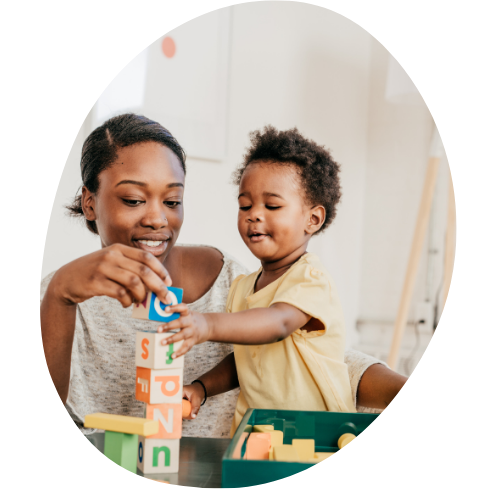
- Stacking blocks or cups: Building towers with blocks enhances hand-eye coordination, spatial awareness, and fine motor skills. It also introduces early problem-solving, as they figure out how to stack items without toppling them.
- Rolling balls or pushing toy cars: These actions strengthen their grasp and encourage coordination as they follow the movement. Toddlers may also enjoy push-and-pull toys, which provide a fun way to build muscle strength.
Encouraging toddlers to move, climb, and play helps them expend energy in healthy ways, enhances their physical strength, and allows them to explore their limits safely.
Cognitive Development and Sensory Play
Sensory play is particularly beneficial for toddlers’ cognitive development. Activities like water play, sand exploration, or sensory bins with items like rice, beans, or playdough engage the senses and provide opportunities for toddlers to explore texture, volume, and cause and effect. Here’s why sensory play is so impactful:
- Problem-solving and experimentation: For example, when a child pours water from one container to another, they’re learning about volume and gravity. Activities like scooping sand or feeling different textures help them understand the physical properties of different materials.
- Language development: Narrating sensory play by describing textures, colors, and actions, like “The sand feels soft” or “The water splashes,” enhances vocabulary and listening skills.
- Fine motor skills: Sensory play involving pinching, grasping, or using small tools develops hand strength and coordination, which will be useful for future skills like drawing and writing.
For safe and engaging sensory play, start with simple materials and tools, such as plastic cups, spoons, or sponges, and always supervise water play.
Encouraging Imaginative Play
Imaginative or pretend play is another valuable activity for toddlers. Around this age, they begin to show interest in simple role-play, which can be encouraged through toys like pretend kitchens, dollhouses, or dress-up clothes. Imaginative play allows them to:
- Express creativity and storytelling: Pretending to cook a meal or caring for a baby doll helps toddlers make sense of the world around them. It’s a chance for them to experiment with roles and scenarios they observe in their daily life.
- Build social and emotional understanding: Role-playing activities, even if done independently, help toddlers develop empathy by mimicking behaviors and routines of adults or other caregivers. For example, pretending to feed a doll or change its diaper shows they are learning care-taking behaviors and beginning to understand others’ needs.
- Practice language and communication: Encourage toddlers to describe what they’re doing or what they’re pretending, which enhances verbal skills. Phrasing questions like “What is your baby doll eating today?” can prompt responses and introduce conversational skills.
Even simple props like a set of toy dishes, play food, or costumes can open up numerous opportunities for pretend play, sparking curiosity and creativity.
Promoting Independence Through Self-Directed Play
At this stage, it’s beneficial to give toddlers a bit of freedom to explore on their own. Self-directed play encourages independence, decision-making, and confidence. Offering a safe, contained area with a selection of age-appropriate toys allows them to experiment with different activities and explore their interests. Toys that encourage self-directed exploration include stacking rings, interactive books, and simple puzzles.
Incorporating Routine and Variety
While toddlers thrive on repetition, introducing new activities and rotating toys can keep them engaged and curious. Try to balance their playtime with a mix of familiar activities and new challenges, allowing them to build confidence with known tasks while exploring new concepts. Activities like singing songs, engaging in fingerplay (like “Itsy Bitsy Spider”), and introducing age-appropriate books also support language and cognitive development.
Final Thoughts on Play
Play at this stage is all about exploration, trial and error, and discovery. Whether it’s through physical activities, sensory play, imaginative scenarios, or independent exploration, providing a variety of stimulating play experiences nurtures both curiosity and confidence. By balancing structured play and allowing for spontaneous activities, you’ll help your toddler thrive during these crucial months of development. Read more about Activities and Daily Schedule here.
Safety and Babyproofing
As toddlers become more mobile and curious, ensuring their safety at home and in various environments becomes paramount. At this age, your child will likely be climbing, walking, running, and exploring, making it essential to enhance safety measures and babyproof your living space. Here are some key strategies to keep your toddler safe:
Home Safety Measures
- Childproofing the Environment:
- Sharp Edges and Corners: Use corner guards or padding on sharp furniture edges to prevent injuries as your toddler explores. Ensure that heavy furniture is anchored to walls to prevent tipping.
- Electrical Outlets: Install outlet covers or safety plugs to prevent toddlers from inserting objects into electrical sockets, a common source of accidents.
- Hazardous Materials: Keep cleaning supplies, medications, and any potentially harmful substances out of reach or stored in locked cabinets. Consider using childproof latches on drawers and cabinets to limit access to hazardous items.
- Regular Inspections:
- As your toddler grows and develops new skills, regularly reassess your childproofing measures to ensure they are appropriate for your child’s capabilities. What was once safe may not remain so as your toddler learns to climb or reach for higher objects.
Outdoor Safety
- Close Supervision:
- When outdoors, maintain a close watch on your toddler. Their increasing mobility means they can quickly wander into unsafe areas. Engage in outdoor play in secure, fenced environments where you can monitor their activities.
- Reinforcing Outdoor Safety Practices:
- Teach your toddler about outdoor safety, such as staying within designated play areas and the importance of not running into the street. If they are using riding toys, ensure they wear a helmet to protect against falls and injuries. Helmets should fit snugly and meet safety standards to provide adequate protection.
Car Safety
- Car Seat Guidelines:
- Continue to use a rear-facing car seat as recommended by safety experts, as this position provides the best protection for young children in the event of an accident. The American Academy of Pediatrics advises that toddlers remain rear-facing until they reach the maximum weight or height limit specified by the car seat manufacturer, typically around 2 to 4 years old the car seat is properly installed and that your toddler is secured in it correctly each time you travel. Regularly check the harness straps to make sure they are snug and at the right height.
Taking proactive steps to ensure your toddler’s safety will allow them to explore their world more freely and confidently. By regularly updating childproofing measures at home, supervising closely during outdoor activities, and following car seat safety guidelines, you can help prevent accidents and promote a safe environment for your growing child.
Potty Training Preparation
As toddlers reach the 18-24 month mark, many begin to show signs of readiness for potty training. While it may still be early for full potty training, introducing the concept during this stage can make the eventual transition smoother and less intimidating. Fostering awareness and comfort with using the potty now lays a solid foundation for when your child is developmentally ready to begin training.
Signs of Readiness
Each child is unique, but several early indicators may suggest that your toddler is approaching readiness for potty training. Look for cues such as:
- Curiosity About the Bathroom: Your child may show interest in the bathroom environment or express a desire to watch others use the toilet.
- Increased Awareness of Bodily Functions: Notable changes in bathroom habits, such as staying dry for longer periods, expressing discomfort with dirty diapers, or indicating awareness during urination or bowel movements, can be good signs.
- Desire for Independence: If your toddler is beginning to assert their independence or is showing interest in dressing themselves, they may be more inclined to explore potty training.
These behaviors suggest that your child is starting to understand the concept of using the toilet, even if they aren’t quite ready to start training yet.
Introducing the Concept
To help your child feel comfortable with the idea of potty training, consider taking the following small steps:
- Introduce a Potty Chair: Provide a potty chair for your child to explore. Let them sit on it fully clothed to get familiar with the concept. This can help them feel less intimidated when it’s time to use it.
- Engage with Books and Videos: Reading books or watching fun, age-appropriate videos about potty training can make the process seem exciting and relatable for your toddler. This not only normalizes the experience but also helps them visualize what to expect.
- Involve Them in Bathroom Routines: Allow your toddler to participate in simple bathroom activities, such as flushing the toilet or washing their hands after using it. This sense of involvement can foster interest and make them feel included.
Keeping It Positive and Patient
Approaching potty training with positivity and patience is crucial. Each child progresses at their own pace, so avoid applying any pressure. Celebrate small achievements, such as sitting on the potty or showing interest in the process. By gently preparing your child now, you’ll help them build confidence and eagerness for when they are ready to embark on full potty training.
Discipline and Setting Boundaries
As toddlers grow and develop their independence, they often feel the urge to test limits and assert themselves. This stage is crucial for their emotional and social development, making it essential for parents to provide gentle guidance. Here are key strategies to consider:

Gentle Guidance and Redirection
Toddlers respond well to redirection rather than punitive measures. When your child engages in undesirable behavior, gently redirect them towards more appropriate activities. For example, if they are throwing toys, offer them a ball to throw outside instead. This helps them learn acceptable behaviors while maintaining a positive environment.
Positive Reinforcement
Positive reinforcement is a powerful tool in encouraging desirable behaviors. When your toddler follows rules or engages in good behavior, praise them specifically for their actions. For instance, say, “I love how you shared your toy with your friend!” This not only boosts their self-esteem but also reinforces the behavior you want to see more of. Research shows that children are more likely to repeat behaviors that receive positive attention and explanations.
Keep communication clear and simple. Use age-appropriate language to explain why certain behaviors are not acceptable. Instead of saying, “Don’t hit,” you might say, “We use gentle hands with our friends.” This approach helps toddlers understand the reason behind rules, promoting internal motivation to follow them.
Consistency
Consistency in setting boundaries is essential. When parents and caregivers enforce rules consistently, toddlers begin to understand and respect those limits. This consistency fosters an environment where children feel secure and learn to self-regulate their behavior. For instance, if you consistently enforce a rule that toys must be cleaned up after playtime, your toddler will gradually learn to comply with that expectation .
Encouraging Independence
As toddlers express a strong desire to do things “all by myself,” supporting their independence is vital for building confidence and self-esteem. Here are effective strategies to encourage their autonomy:
Offering Choices
Allowing your toddler to make simple choices can significantly boost their sense of independence. You can offer them options, such as choosing between two snacks or picking out clothes from two outfits. This not only gives them a sense of control but also fosters decision-making skills. Research indicates that even small choices can empower toddlers and help them feel more competent .
Promoting Self-Help Skills
Develop self-help skills by letting your toddler participate in everyday tasks. Simple activities like putting on their shoes, brushing their teeth (with supervision), or helping to set the table are great ways to promote independence. These tasks help toddlers practice their fine motor skills while also feeling accomplished in their abilities. Supporting their attempts, even if it takes longer, teaches patience and perseverance .
Celebrating Small Achievements
Celebrate your child’s achievements, no matter how small. Acknowledging their efforts—like putting on their shoes independently or washing their hands correctly—instills a sense of pride and accomplishment. This positive reinforcement encourages them to tackle more challenging tasks in the future, promoting a growth mindset that values effort and progress over perfection .
Creating Opportunities for Exploration
Provide safe spaces for your toddler to explore and engage in activities independently. Designate areas where they can play freely and choose their activities. This exploration not only fosters their creativity but also builds confidence in their ability to navigate the world around them. Creating a supportive environment for exploration is crucial during this developmental stage .
By implementing these strategies, parents can effectively guide their toddlers in navigating boundaries and fostering independence, ultimately supporting their emotional and social development.
Embracing Every Moment
The 18-24 month stage is filled with wonder, discovery, and lots of activity. As your toddler grows more independent and confident, remember that every day brings new experiences. By providing love, patience, and guidance, you’re helping lay a strong foundation for your child’s future. Enjoy these precious moments and celebrate each little milestone along the way.

Red Dye 40 in Foods: Does It Really Matter?
If you’ve ever flipped over a snack bag like Doritos and noticed “Red 40” on…

Having a Baby With Colic: When Nothing Seems to Help
If you’ve ever had a baby with colic, you know it’s not just “a fussy…

Should You Sleep In or Stick to Your Routine After a Rough Night?
When your baby or toddler has you up all night, the morning decision can feel…

Motherhood Burnout Isn’t a Failure — It’s a Signal
Motherhood burnout doesn’t usually arrive all at once. It creeps in quietly, between the never-ending…