
6-9 Months: Your Baby’s Budding Personality
As your little one reaches the 6-9 month stage, their world begins to expand in amazing ways. From sitting up on their own to exploring new foods, your baby is growing more independent each day. This is a period filled with exciting milestones, including crawling, babbling, and even early attempts at standing. At Tips from the Nest, we’re here to guide you through this fun and dynamic phase with helpful advice on how to support your baby’s development, foster their independence, and make the most of these memorable months.

Appointments in Months 6-9
As your baby reaches the 6-9 month stage, regular pediatric visits remain vital for assessing their health and progress. During this time, you’ll attend crucial check-ups to ensure they’re hitting developmental milestones, growing steadily, and staying up-to-date with vaccinations.
6-Month Check-Up:
At this visit, your baby’s weight, length, and head circumference will be measured to ensure they are growing well. You’ll discuss their progress with solid foods, sleep patterns, and teething. This is also a time to address any motor skill development, such as sitting up or starting to crawl. Expect the following vaccinations if you haven’t already had your 6 month appointment:
- DTaP (diphtheria, tetanus, pertussis) third dose
- Hib (Haemophilus influenzae type b) third dose
- Polio third dose
- Pneumococcal vaccine third dose
- Rotavirus third dose
- Hepatitis B third dose
Your pediatrician may also recommend additional vaccines:
- Seasonal flu
- COVID-19
- RSV if not already vaccinated during pregnancy
9-Month Check-Up:
During this check-up, your baby’s growth and development will be reassessed. Discussions will focus on your baby’s increasing mobility, feeding habits with solids, and how they’re adapting to their routine. No routine vaccinations are typically scheduled at this appointment, but your pediatrician may suggest any missed or optional vaccines. This is also a great time to address any concerns about sleep patterns, communication, or motor skills as your baby approaches new milestones.
Read more in detail about Appointments and Vaccine Timeline
Milestones in 6-9 Month-Olds
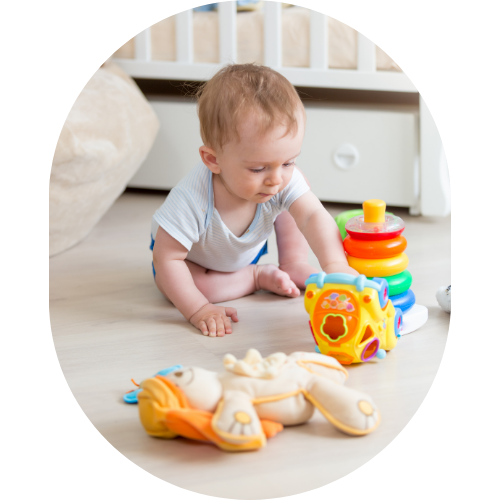
During the 6-9 month period, your baby experiences an exciting phase of rapid development. This is a time filled with new milestones that showcase their growing independence and curiosity. Here’s what to expect:
Motor Skills:
- Sitting Up: Most babies can sit up independently by around 6-8 months, which enhances their ability to explore their surroundings.
- Crawling: Many babies begin crawling between 6 and 9 months, whether it’s a traditional crawl, army crawl, or scooting. This newfound mobility opens up a world of exploration.
- Pulling Up: As they approach 9 months, babies may start pulling themselves up to stand, often using furniture or other supports.
Fine Motor Skills:
- Grasping Objects: Babies become more adept at using their hands, developing the ability to pick up small objects using a pincer grasp (thumb and forefinger).
- Transferring Objects: They’ll start transferring toys from one hand to the other, which enhances hand-eye coordination.
Cognitive Development:
- Exploring: Babies show increased curiosity about their environment. They may examine objects by shaking, banging, or dropping them.
- Object Permanence: They begin to understand that objects continue to exist even when out of sight, which is why games like peek-a-boo become particularly enjoyable.
Social and Emotional Skills:
- Responding to Emotions: Your baby will start to recognize familiar faces and may exhibit joy or distress in response to people.
- Stranger Anxiety: Around this age, some babies may experience anxiety when encountering unfamiliar people, showcasing their developing attachment to caregivers.
Communication:
- Babbling: Your baby will likely start babbling and may experiment with different sounds. This is a precursor to speech and an important part of language development.
- Imitating Sounds: They might begin to mimic sounds and gestures, showing an interest in communication.
Supporting your baby through these milestones involves plenty of interaction, playtime, and encouragement. Each developmental stage is unique, and your involvement plays a crucial role in their growth and confidence.
Feeding Your Baby: 6-9 Months
As your baby transitions into the 6-9 month stage, feeding becomes a pivotal aspect of their growth and development. During this period, you’ll notice significant changes in how your baby consumes food, moving away from traditional bottles and exploring new methods of nourishment. Here’s what to expect:
Feeding Chart for Babies 6-9 Months Old
| Age (Months) | Breastmilk (Approximate Amount) | Formula (Approximate Amount) | Feeding Frequency |
|---|---|---|---|
| 6 Months | 6-8 oz per feeding, on demand; 4-5 feedings per day | 6-8 oz per feeding, on demand; 4-5 feedings per day | Every 4-5 hours |
| 7 Months | 6-8 oz per feeding, on demand; 4-5 feedings per day | 6-8 oz per feeding, on demand; 4-5 feedings per day | Every 4-5 hours |
| 8 Months | 6-8 oz per feeding, on demand; 4-5 feedings per day | 6-8 oz per feeding, on demand; 4-5 feedings per day | Every 4-5 hours |
| 9 Months | 6-8 oz per feeding, on demand; 3-4 feedings per day | 6-8 oz per feeding, on demand; 3-4 feedings per day | Every 4-5 hours |
Bottle Weaning and Sippy Cups:
Around 6 months, many babies begin to phase out traditional bottles as they start to use sippy cups. This transition helps promote self-feeding skills and encourages your little one to explore different liquids. At the same time, you may notice changes in pacifier use; some babies may decide to give it up while others continue to rely on it for comfort.
Tip from the Nest: Babies tend to display signs of separation anxiety at 6 months, which is a crucial pivotal point for sleeping and eating habits. If you’re a breastfeeding parent who doesn’t love the possibility of continuing breastfeeding for another 6 months or more, you may want to start weaning now. You can even continue to pump for your child so they get the nutrition they need until cow’s milk can be introduced at 12 months.
Introducing Solid Foods:
The introduction of solid foods typically begins around 6 months, and this is an exciting milestone for both you and your baby. Signs of readiness include sitting up with support, showing interest in food, and the ability to move food from a spoon to the back of their mouth. Here are some key points to consider:
Baby-Led Weaning (BLW): If you opt for baby-led weaning, your baby can explore a variety of textures and flavors on their own terms. Babies usually begin this method when they can sit up unassisted and grasp objects. Offer soft fruits and vegetables, such as steamed carrots, banana chunks, and avocado slices, allowing your baby to feed themselves.
Common Foods to Try:
- Soft Fruits and Vegetables: Introduce steamed carrots, sweet potato, or avocado, which are easy to hold and gum.
- Protein Sources: Strips of soft, well-cooked chicken or fish provide essential nutrients.
- Grains: Lightly toasted whole grain toast or small pasta shapes can be excellent choices for self-feeding.
Testing for Allergies:
As you introduce solid foods, be mindful of common allergens such as peanuts, eggs, dairy, fish, shellfish, soy, and wheat. A helpful practice is to test a small amount of the new food on your baby’s skin (like the inner wrist or cheek) before offering it as a meal. If there’s no reaction within 20-30 minutes, you can typically introduce a small bite.
Introducing Allergens:
- Peanut Butter: Thin a small amount with water, breast milk, or formula, and offer it on a spoon or spread it thinly on toast.
- Eggs: Soft-boiled egg yolk or scrambled eggs can be introduced as well-cooked options.
- Dairy: Start with small amounts of yogurt or cheese, particularly if your baby has tolerated breast milk or formula.
Key Tips for Feeding:
- Supervision: Always supervise your baby during mealtime to prevent choking.
- Gagging is Normal: As your baby learns to self-feed, gagging may occur; this is part of the learning process.
- Skip Salt and Sugar: Avoid adding salt, sugar, or honey to your baby’s food, as these can be harmful at this stage.
- Variety is Vital: Encourage your baby to explore different foods, focusing on soft and safe options that won’t pose choking hazards.
Feeding your baby during this stage is not just about nourishment but also about exploration and developing their independence. Embrace this exciting time as they discover new flavors and textures, setting the foundation for healthy eating habits in the future.
Diaper Needs and Sizes: 6-9 Months
As your baby moves into the 6-9 month stage, their diaper needs will continue to evolve with their growth and increased activity. During this period, most babies will go through about 5-7 diapers per day, totaling around 450-630 diapers over these three months.
Here’s a breakdown of the sizes you’ll likely need:
- Size 2: Many babies will still be using size 2 diapers, which typically fit those weighing between 12-18 pounds. You may continue using these if your baby is still within this weight range.
- Size 3: Most babies will transition to size 3 diapers around 9 months, which usually fit those weighing between 16-28 pounds. This size accommodates the growth spurts and increased mobility during this phase.
It’s advisable to stock both size 2 and size 3 diapers to accommodate your baby’s rapid growth. Keep an eye out for signs it’s time to size up, such as leaks, discomfort, or red marks on your baby’s skin from tight-fitting diapers.

Bonding with Your 6-9 Month Old and Sibling Integration
As your baby reaches the 6-9 month stage, bonding becomes increasingly vital for their emotional and social development. This period is marked by curiosity and exploration, making it the perfect time to deepen your connection and incorporate siblings into the bonding experience. Here are some effective ways to foster bonding during this exciting phase:
Face-to-Face Interactions
Engage in eye contact, smiles, and animated facial expressions during playtime. This not only captures your baby’s attention but also helps them learn to communicate non-verbally. Get down to their level and make silly faces or play peek-a-boo to encourage giggles and smiles.
Reading Together
Introduce books with colorful images and textures. Reading aloud not only stimulates your baby’s senses but also creates a cozy bonding experience. Encourage older siblings to participate by reading to the baby or pointing out pictures, fostering a sense of connection and shared joy.
Playtime with Siblings
Encourage siblings to join in play activities. Simple games like rolling a ball, stacking blocks, or playing with soft toys can create opportunities for interaction and laughter. This helps foster a sense of teamwork and strengthens sibling relationships.
Involve Siblings in Care
Allow siblings to help with simple caregiving tasks, such as fetching diapers, holding a bottle, or singing to the baby. This involvement not only gives them a sense of responsibility but also helps them form a special bond with their younger sibling.
Explore Together
Take your baby and siblings on walks or outdoor adventures. Point out different sights, sounds, and textures. Encourage siblings to describe what they see, making them feel involved in your baby’s exploration of the world.
Create Routine Family Moments
Incorporate bonding time into daily routines, such as mealtime or bath time. This can include singing songs, telling stories, or sharing silly moments. Family bonding during these everyday activities can create lasting memories and strengthen connections.
Positive Reinforcement
Encourage positive interactions between siblings by praising them for gentle touches, sharing, or helping. This affirmation helps build their confidence and nurtures a loving environment for the baby.
By actively engaging in these bonding activities, you not only strengthen your relationship with your 6-9 month old but also cultivate a loving and supportive atmosphere between siblings. This emotional foundation will help your baby feel secure and cherished as they continue to grow and explore their world.
Bath Time Tips for Your 6-9 Month Old
As your baby reaches the 6-9 month stage, bath time can become an engaging and delightful experience. Here are some essential tips to keep it safe and enjoyable:
Frequency
Bathe your baby two to three times a week unless they’ve had a particularly messy day. Gently clean their face, hands, and diaper area in between baths.
Water Temperature
Ensure the bath water is lukewarm, ideally around 100°F (37°C). Be sure to check the water’s temperature using your wrist or elbow before settling your baby into the bath.
Bathing Essentials
Prepare all necessary items beforehand, including mild baby soap, a washcloth, a baby towel, and a soft brush. This helps avoid leaving your baby unattended while reaching for items.
Supported Bathing
At this age, your baby may be able to sit up well, so consider using a bath seat or support ring. These provide added stability for splashing and playing with toys, but always ensure they are age-appropriate and securely installed.
Safety First
Never leave your baby unattended in the bath, even in a bath seat. Always stay within arm’s reach and keep one hand on them for extra security.
Making Bath Time Fun
Incorporate toys, bubbles, and playful interactions to make bath time enjoyable. Singing songs or using fun bath toys helps your baby associate bath time with fun and relaxation.
By following these tips, you can create a positive and enjoyable bath time routine for your 6-9 month old!
Sleep and Safe Sleeping Practices for 6-9 Months
By 6-9 months, your baby’s sleep patterns typically become more established, although variations can still occur. At this stage, babies generally sleep around 12-14 hours a day, including naps. Sleep is vital for their growth and development, so creating safe and healthy sleep habits is essential for ensuring restful nights for both you and your baby. Here’s what you need to know about sleep patterns, safe sleeping practices, and creating a calming sleep environment.
Sleep for Babies Aged 6-9 Months
Here’s a chart outlining typical sleep patterns for babies aged 6-9 months:
| Age (Months) | Total Sleep per Day | Number of Naps | Nap Duration | Nighttime Sleep | Notes |
|---|---|---|---|---|---|
| 6 Months | 12-14 hours | 2-3 | 1-2 hours | 10-12 hours | Sleep becomes more consistent, with longer nighttime stretches. |
| 7 Months | 12-14 hours | 2 | 1-2 hours | 10-12 hours | Routine becomes key for better sleep habits. |
| 8 Months | 12-14 hours | 2 | 1-2 hours | 10-12 hours | May experience separation anxiety during this stage. |
| 9 Months | 12-14 hours | 2 | 1-2 hours | 10-12 hours | Sleep training may be more effective at this age. |
Establishing a Sleep Routine
As your baby reaches this age, it’s an ideal time to establish consistent sleep routines. A regular bedtime ritual—such as reading a book, singing a lullaby, or gentle rocking—can help signal to your baby that it’s time to sleep.
Crib Training, Co-Sleeping, or a Combination
When it comes to sleep arrangements, parents often choose between crib training, co-sleeping, or a combination of both.
- Co-Sleeping: If co-sleeping is your choice, follow strict safety guidelines to reduce the risk of SIDS. As your baby grows, consider introducing crib training to help transition them to their own sleep space.
- Crib Training: This approach teaches your baby to sleep independently in their crib, typically starting around 4-6 months. It encourages self-soothing and helps establish a consistent bedtime routine.
Sleep Training Methods
If you decide to try sleep training, here are some popular methods:
- Ferber Method: Also known as “graduated extinction,” this method allows your baby to cry for short intervals before soothing them, gradually increasing the time between checks.
- Cry It Out (CIO) Method: This method involves letting your baby cry without intervention, allowing them to self-soothe and fall asleep independently.
- Chair Method: In this method, you sit in a chair next to your baby’s crib and gradually move farther away each night until they can sleep on their own.
Finding a sleep solution that works for your family is key to achieving restful nights ahead. Establishing safe sleeping practices and routines can help foster a positive sleep experience for both you and your baby during this developmental stage.

Common Upsets and Remedies for Babies Aged 6-9 Months
As your baby grows, they may experience various upsets that can affect their comfort and well-being. Here are some common issues you might encounter with babies aged 6-9 months, along with effective remedies to help soothe them:
Teething Discomfort
- Symptoms: Increased drooling, irritability, swollen gums, and a desire to chew on objects.
- Remedies:
- Offer teething toys or chilled (not frozen) washcloths for your baby to chew on.
- Gently massage their gums with a clean finger.
- Over-the-counter teething gels may provide temporary relief, but consult your pediatrician before use.
Separation Anxiety
- Symptoms: Crying when a parent leaves the room, clinginess, and fussiness.
- Remedies:
- Practice short separations to help your baby get used to being apart. Peekaboo is great practice for your little one!
- Establish a consistent goodbye ritual to ease transitions.
- Provide comfort items, like a favorite blanket or toy, to help them feel secure.
Constipation
- Symptoms: Infrequent or difficult bowel movements, hard stools, and discomfort while trying to defecate.
- Remedies:
- Introduce fiber-rich foods, such as pureed fruits (like pears and prunes) and vegetables, to help ease constipation.
- Be cautious with high-iron foods, especially baby snacks like puffs, as these can contribute to constipation.
- If constipation is chronic, consult your pediatrician, as they might prescribe MiraLAX or a similar medication. Children with ongoing constipation may require medication for weeks to months while their digestive system matures.
- To assist your baby in defecating, gently pull or break up the stool while they struggle to push. You can also try pushing your baby’s legs to their chest in a “bicycle” position to help ease the process.
Ear Infections
- Symptoms: Tugging at ears, irritability, trouble sleeping, and fever.
- Remedies:
- Keep your baby comfortable with pain relief (as advised by your pediatrician).
- Use a warm compress on the affected ear to soothe discomfort.
- Consult your pediatrician if you suspect an ear infection, as they may require medical attention.
- Note that teething can also be confused for an ear infection, since babies might tug on their ears when teething, also.
Common Colds
- Symptoms: Nasal congestion, runny nose, cough, irritability, and trouble sleeping.
- Remedies:
- Use a cool-mist humidifier in the nursery to ease congestion.
- Elevate your baby’s head while sleeping (consult your pediatrician for guidance).
- Ensure plenty of fluids and monitor for any signs of worsening symptoms.
Sleep Disruptions
- Symptoms: Frequent night wakings, difficulty falling asleep, and crankiness.
- Remedies:
- Establish a consistent bedtime routine to signal sleep time. Make sure your wake times are appropriate as well.
- Make the sleep environment calm and comfortable.
- If your baby wakes at night, allow them some time to self-soothe before intervening.
Rashes and Skin Irritations
- Symptoms: Red, irritated skin, especially in diaper areas or on the cheeks.
- Remedies:
- Keep the diaper area clean and dry; change diapers frequently. Don’t let them sit longer than 3 hours.
- Use a gentle, hypoallergenic diaper cream to soothe rashes. No scented lotions or soaps.
- If the rash persists or worsens, consult your pediatrician for evaluation.
Understanding these common upsets and having effective remedies on hand can help you navigate this developmental stage with greater ease. Always consult your pediatrician for personalized advice and guidance based on your baby’s specific needs.
Crawling and Walking Are Just Around the Corner
As your baby reaches the 6-9 month mark, both crawling and walking are exciting milestones that may be just around the corner! While many babies begin crawling closer to 7-10 months, you might notice signs of readiness as early as 6 months, such as rocking back and forth on their hands and knees, pushing up during tummy time, or scooting backward. Some babies may even take their first steps as early as 9 months! These behaviors indicate that your little one is eager to explore the world independently.
Now is the perfect time to start baby-proofing your home if you haven’t already. Once your baby begins crawling and potentially walking, their newfound independence and curiosity will lead them to every corner of the house. Here are some essential baby-proofing steps:
- Secure Furniture: Anchor bookshelves, dressers, and other large furniture to the wall to prevent tipping.
- Cover Electrical Outlets: Install safety covers on all accessible outlets to keep tiny fingers safe.
- Use Baby Gates: Place gates at the top and bottom of stairs and in front of rooms you want to keep off-limits.
- Lock Cabinets: Use childproof latches on cabinets, especially those containing cleaning supplies or other hazardous materials.
- Clear Small Objects: Remove any small items from the floor or low surfaces that could pose a choking hazard.
- Protect Sharp Edges: Place corner guards on sharp furniture edges to prevent injury.
By preparing your home now, you’ll be ready for the thrilling moment when your baby starts crawling or takes those first steps!
Embracing the Journey
As your baby navigates the exciting developmental stage of 6 to 9 months, it’s a time filled with exploration, growth, and bonding. Every giggle, crawl, and new skill is a reminder of how quickly they are growing and discovering the world around them. By incorporating these tips into your daily routine, you can help nurture your baby’s development while ensuring a safe and loving environment. Remember, each child is unique, so celebrate their individual milestones and enjoy every precious moment together.

Red Dye 40 in Foods: Does It Really Matter?
If you’ve ever flipped over a snack bag like Doritos and noticed “Red 40” on…

Having a Baby With Colic: When Nothing Seems to Help
If you’ve ever had a baby with colic, you know it’s not just “a fussy…

Should You Sleep In or Stick to Your Routine After a Rough Night?
When your baby or toddler has you up all night, the morning decision can feel…

Motherhood Burnout Isn’t a Failure — It’s a Signal
Motherhood burnout doesn’t usually arrive all at once. It creeps in quietly, between the never-ending…